After Sight: The Linoleum Prints 1996-2004
183 works
This is not a late style so much as the answer to a question the artist had been asking since 1992. The four years of stencil and watercolour work that followed the loss of his sight, gathered here as the braille years, were a search for a technique a blind man could command completely. In 1996 he found it in linoleum.
He had cut lino before, occasionally, from 1969 onwards, and that earlier familiarity is the point: the block could be read with the fingers, the cut edge felt as it was made, the composition held in the hand rather than in the eye. Where paint had to be identified by braille labels and placed on a surface he could not check, the linoleum block told him at every moment what it had become. It gave him back the one thing blindness had taken from his practice, which was the ability to know what he had made while he was making it.
The 306 works catalogued here, every one of them made after 1996, return to the folk memory of the narrative oils - pearl divers, dancers, weddings, the courtyards of Muharraq - but rendered now in the bold black-and-white contrast that cutting demands, patterns simplified and intensified by working blind. The Al Dana Award, the Annual Fine Art Exhibition's highest honour, came in 2001, and in 2004 Albareh Art Gallery gave the work its own exhibition, More Than Meets the Eye. These prints are now held in museum and foundation collections across the region and beyond. They are the work by which he is best known, and they were made entirely by touch: his means, as he understood it, of going on speaking to a world he could no longer see.
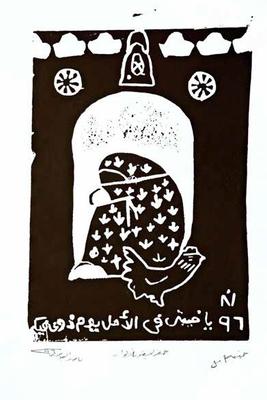 Disappointment, 1996
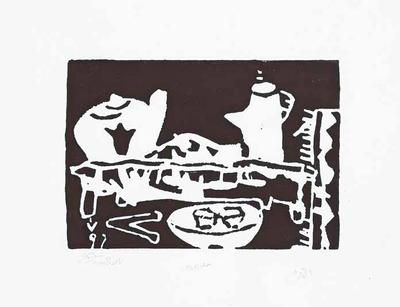 Duwwa, 1996
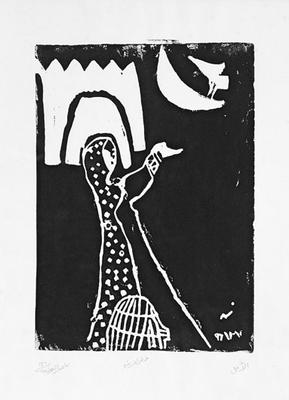 Hope, 1996
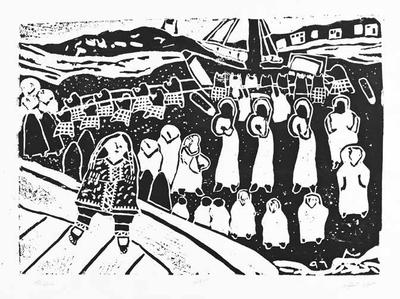 Longing Songs, 1996
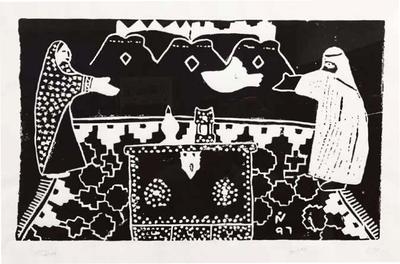 Messenger Of Love, 1996
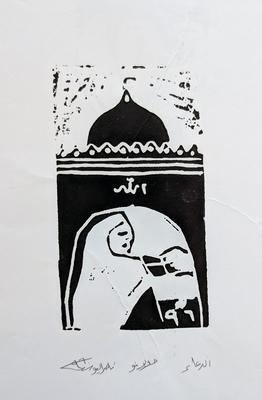 Prayers, 1996
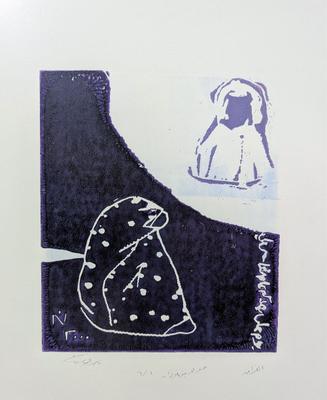 Separation, 1996
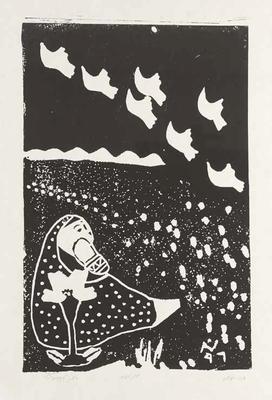 The Afternoon Flowers, 1996
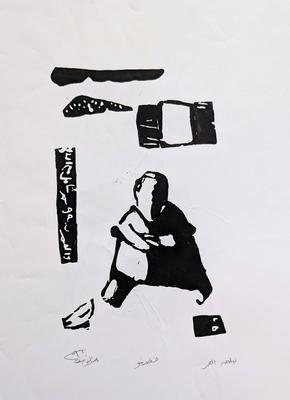 The Night of One's Life, 1996
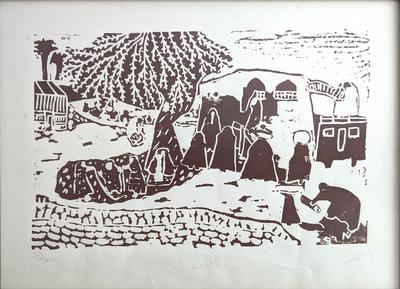 The Picnic, 1996
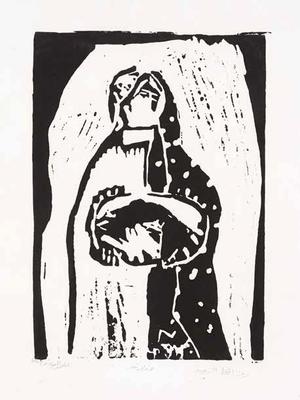 The Symbol of Happy Fortune,, 1996
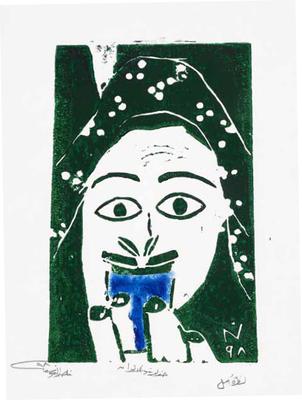 A Look of Hope, 1997
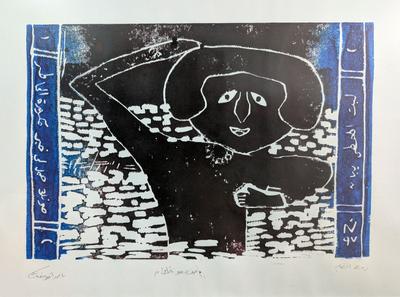 Among the Wreckage, 1997
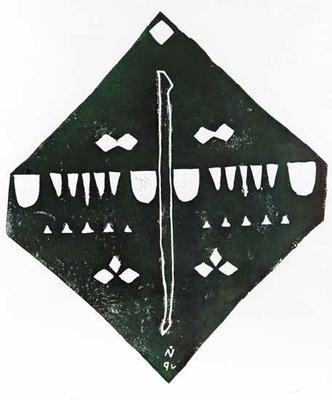 Letters, 1997
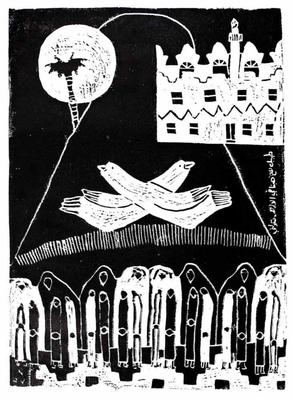 Love and Kindness, 1997
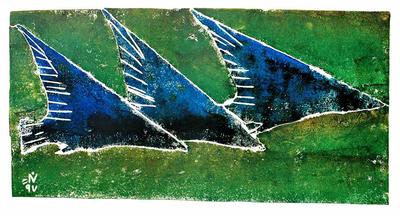 Migration, 1997
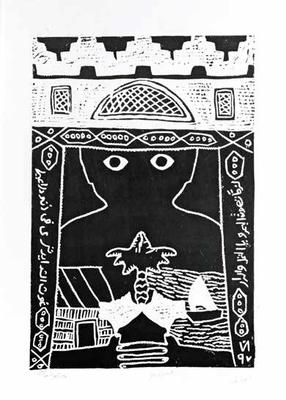 Protection, 1997
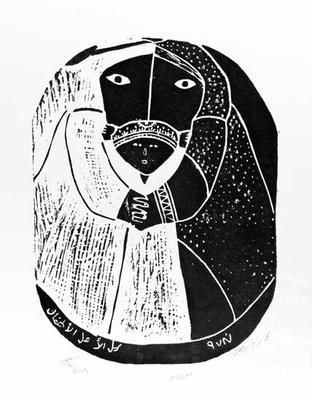 The Children Are All the Hope, 1997
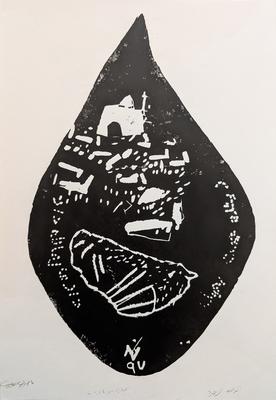 The Last Tear, 1997
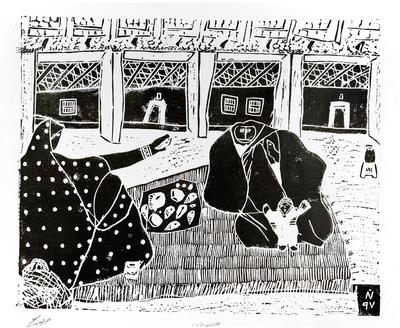 Throwing the Charm, 1997
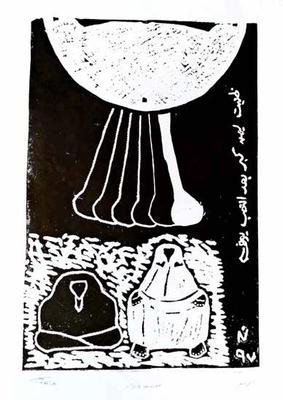 Time, 1997
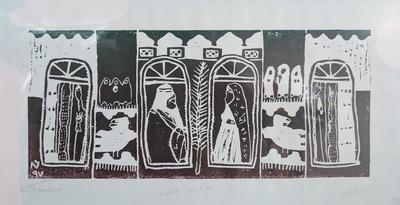 Town Festivities, 1997
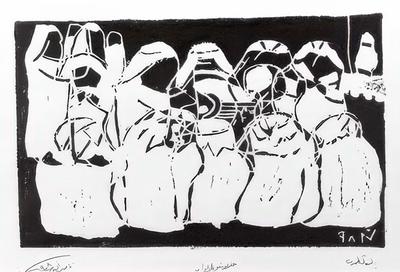 A gathering of Musical Joy - Bastat Tarab, 1998
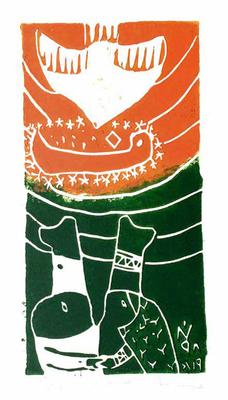 A Gift From The Heavens, 1998
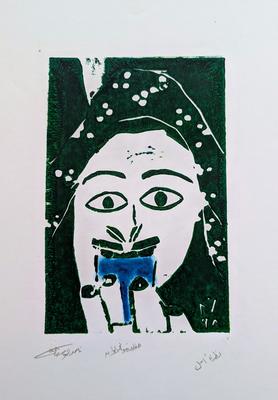 A Look of Hope, 1998
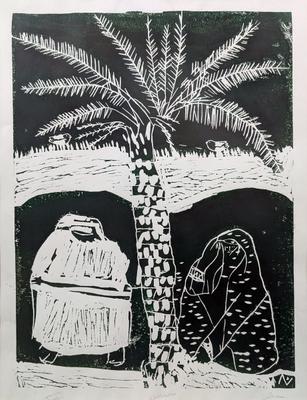 Branches without Fruit, 1998
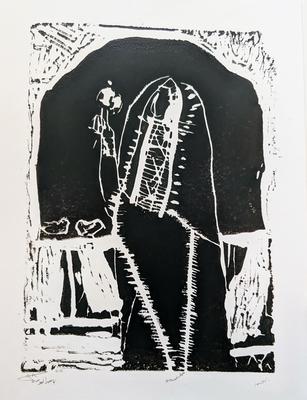 Bukhnaq, 1998
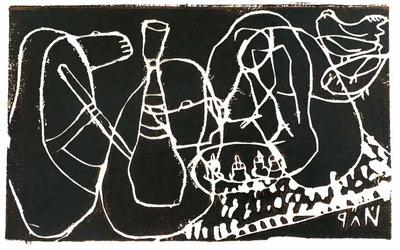 Chats, 1998
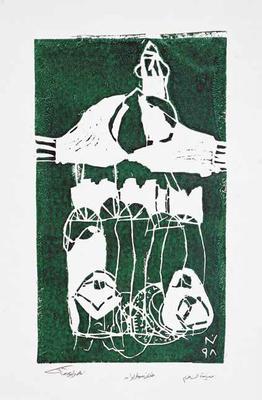 City of Peace, 1998
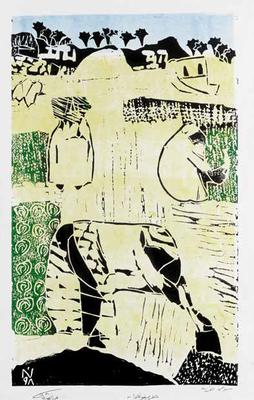 Depictions from Village Life, 1998
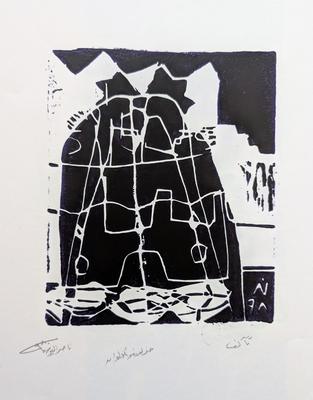 Familiarity, 1998
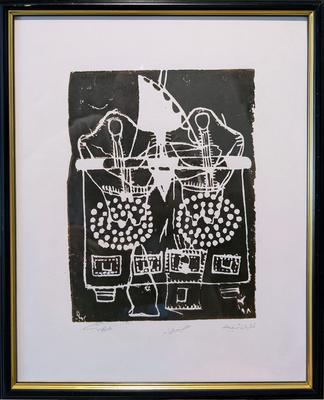 Folk Memories, 1998
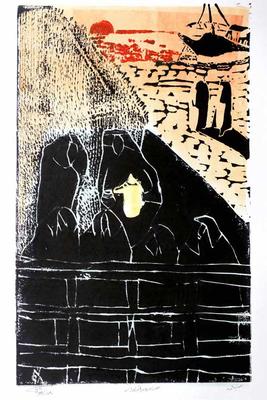 Hospitality, 1998
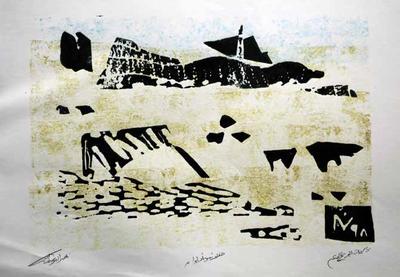 Old Memories, 1998
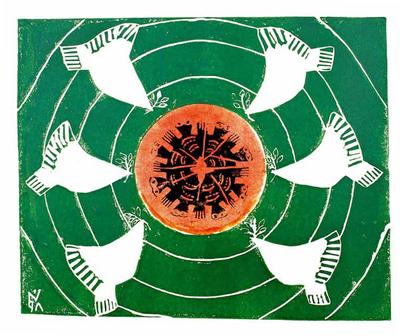 Peace on Earth, 1998
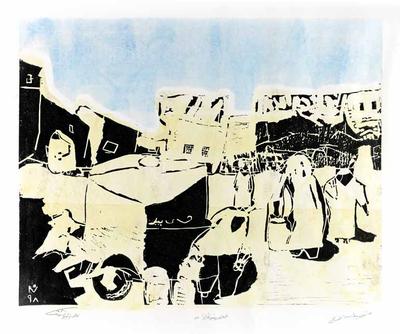 Personalities from the Neighborhood, 1998
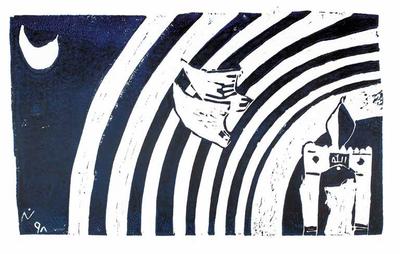 Prayers, 1998
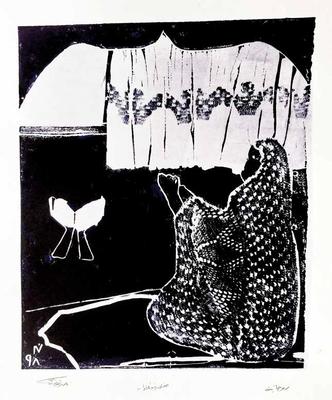 Spirituality, 1998
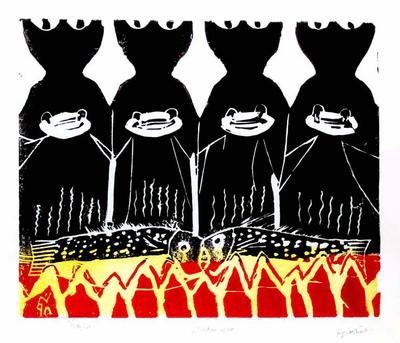 The Last Meal, 1998
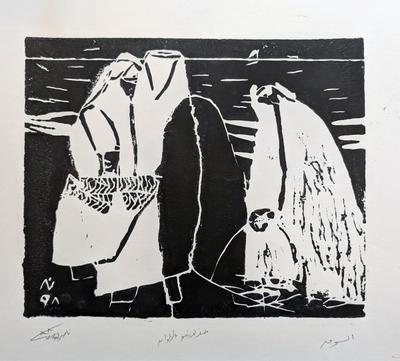 The Market, 1998
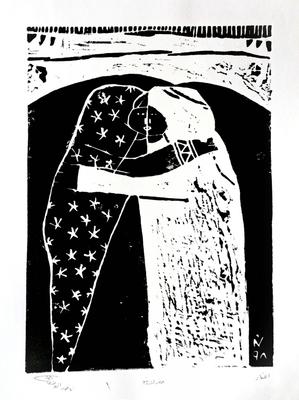 the Meeting, 1998
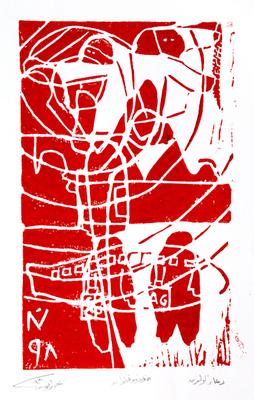 The Parents’ Prayer, 1998
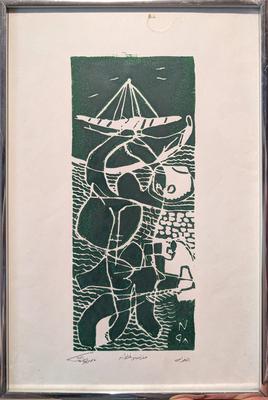 The Pearl Diver, 1998
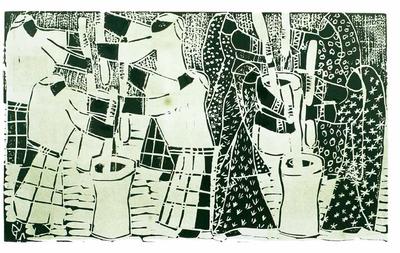 The Wheat Threshing, 1998
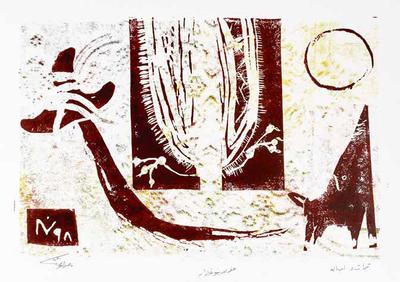 Tradition and Authenticity, 1998
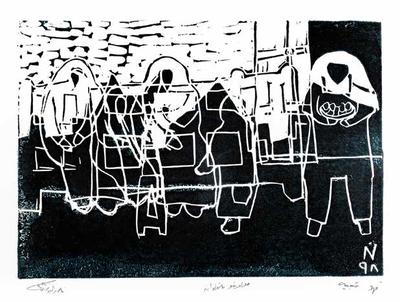 Traditional Coffee Shop, 1998
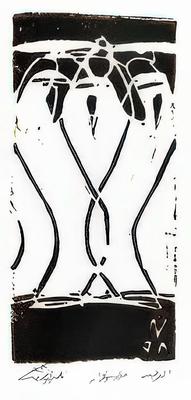 Traditional Dance - Arda, 1998
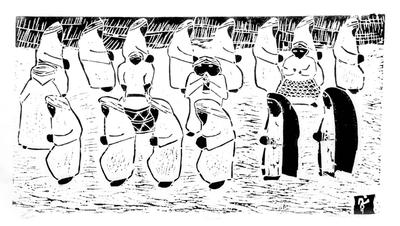 Traditional Dance-Allaywah, 1998
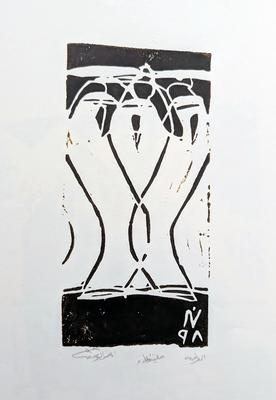 Traditional Dance-Ardha, 1998
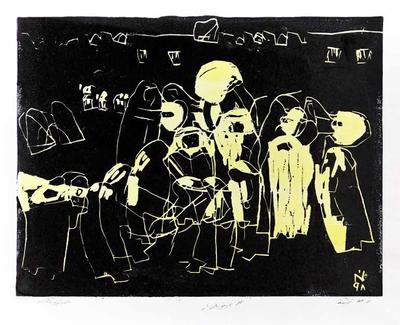 Traditional Wedding Procession, 1998
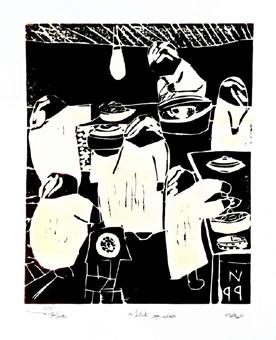 Bacha, 1999
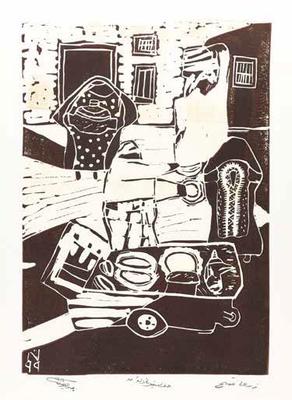 Bartering, Zeri Ateej, 1999
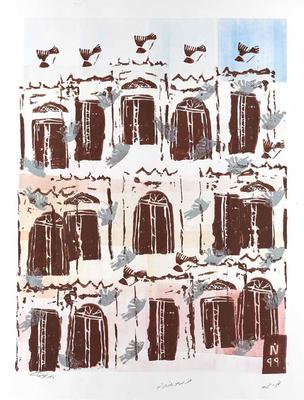 Birds of Love, 1999
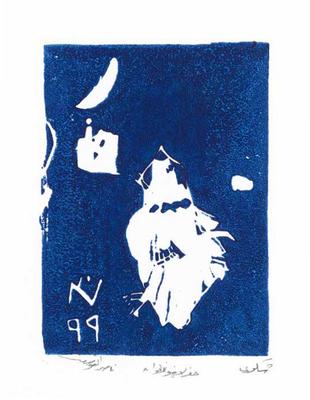 Complaint, 1999
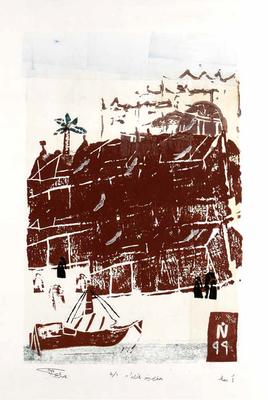 Dimensions, 1999
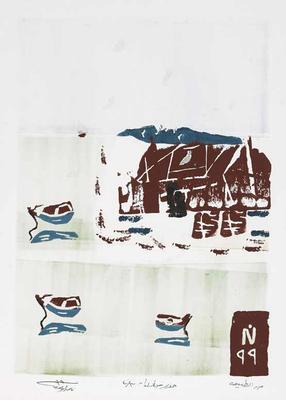 From Nature,, 1999
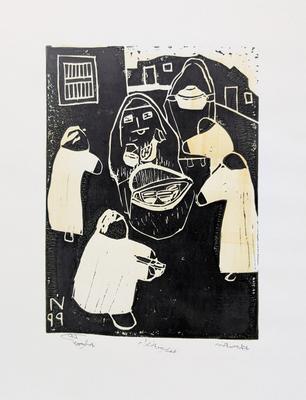 Hot Chickpeas, 1999
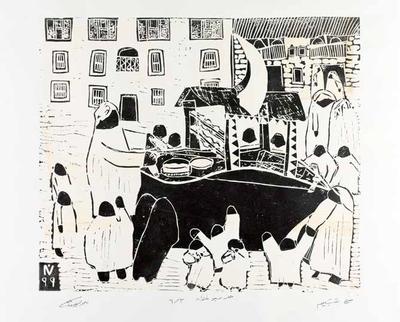 Ice Cream Seller, 1999
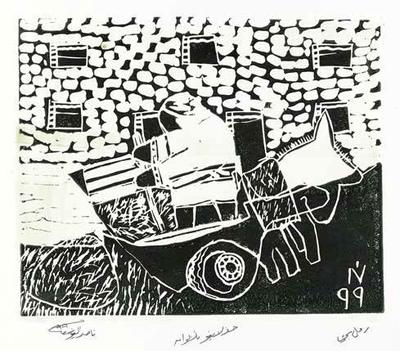 Marine Sand, 1999
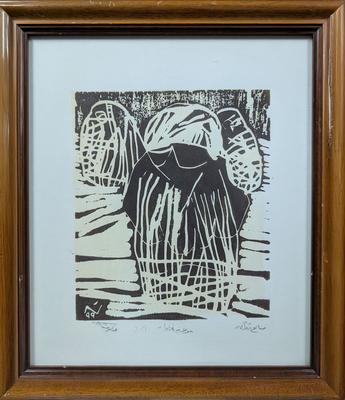 Marine Trap Makers, 1999
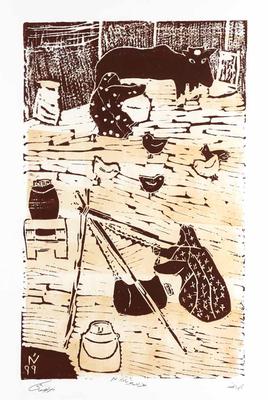 Mother of Goodness, 1999
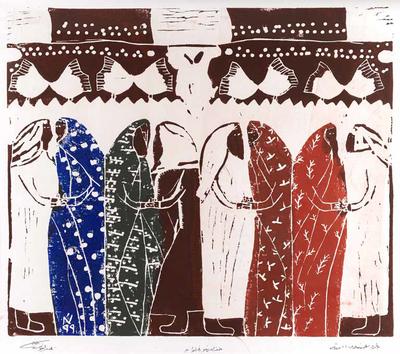 My Country, the Box of Kindness, 1999
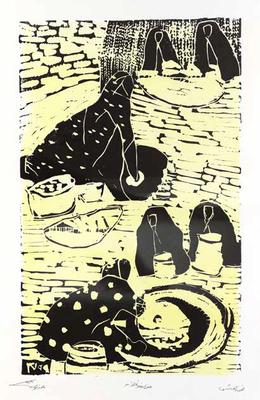 Our Day’s Keep, 1999
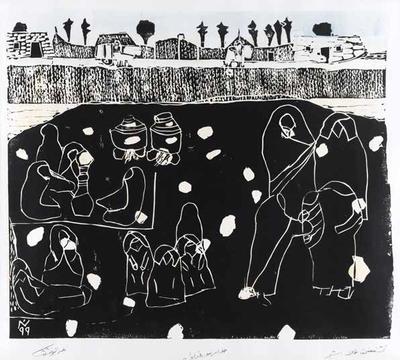 Picnic Under the Shade of a Tree, 1999
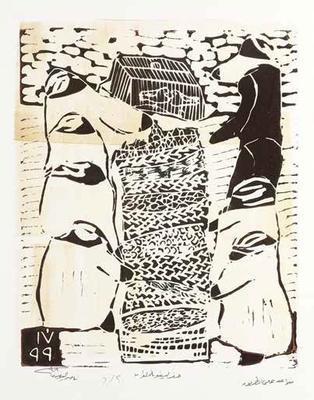 Street Sellers, 1999
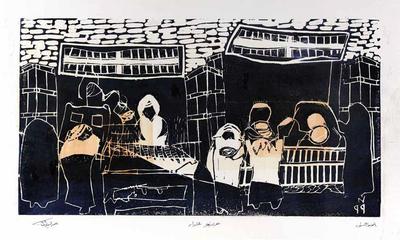 The Bread and the Grill, 1999
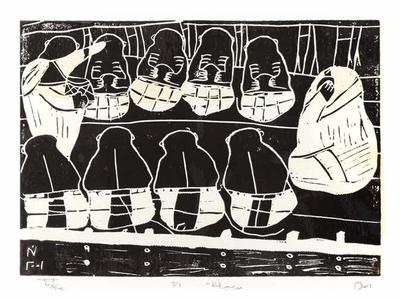 The Chanter, 1999
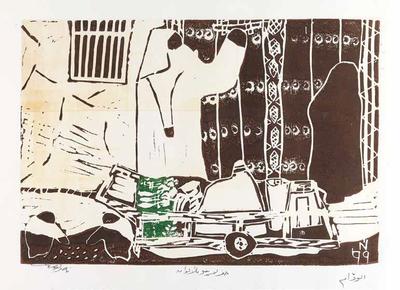 The Delivery Boy, 1999
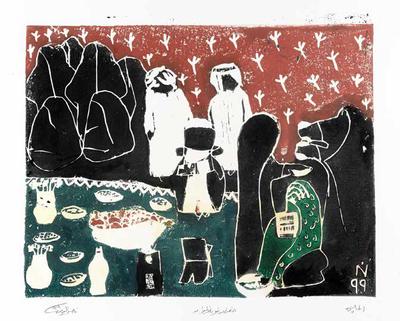 The Engagement, 1999
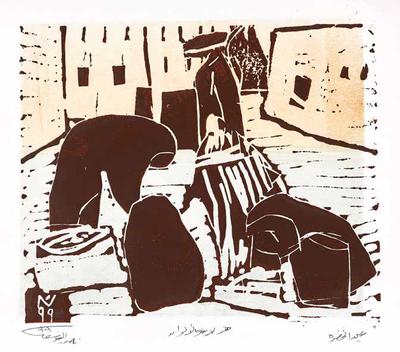 The Green Spring, 1999
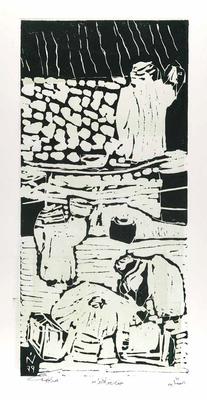 The Masons, 1999
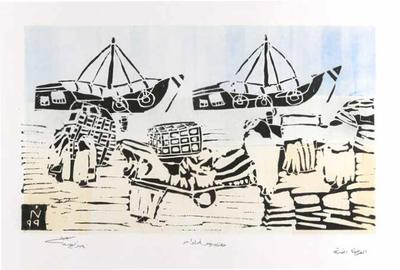 The Old Harbor, 1999
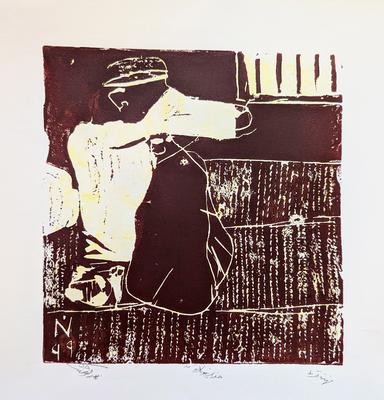 The Profession of Our Forefathers, 1999
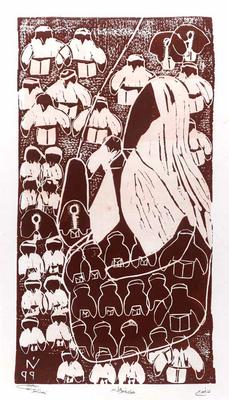 The Religious Teacher, 1999
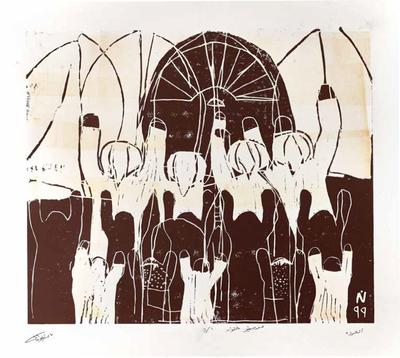 The Return, 1999
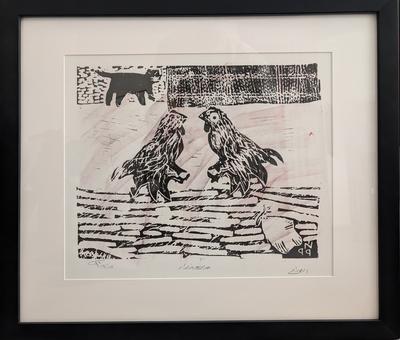 The Struggle, 1999
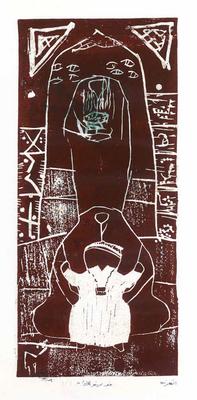 The Talisman, 1999
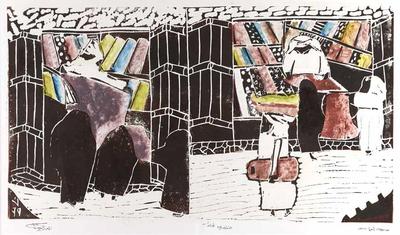 The Textile Souq, 1999
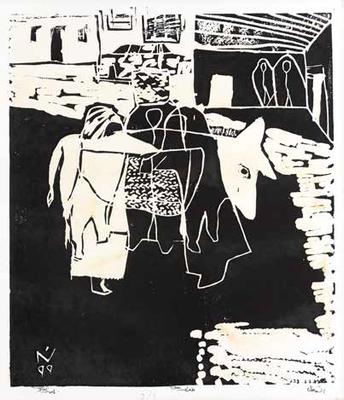 The Vegetable Seller, 1999
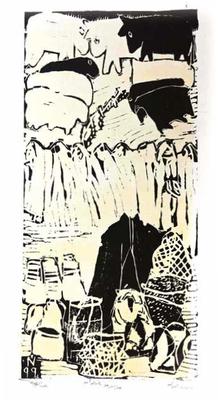 The Village Market, 1999
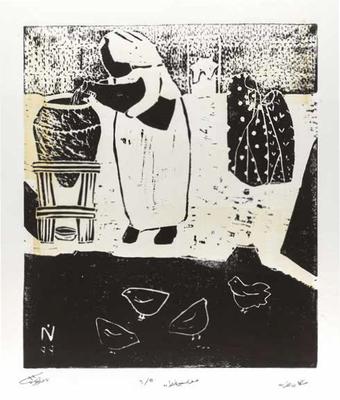 The Village Water-Caretaker, 1999
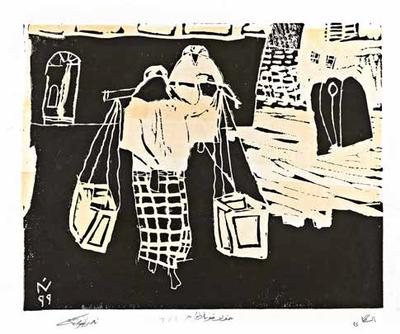 The Water-Bearer, 1999
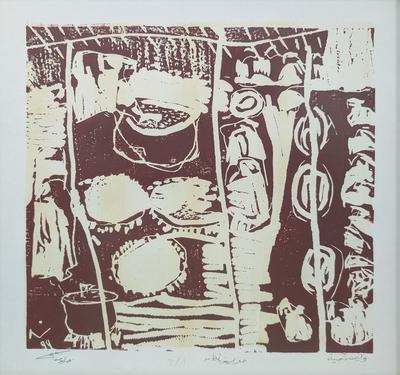 Traditional Banquet, 1999
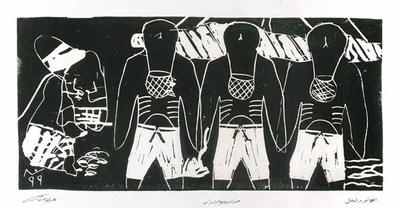 Traditional Pearl Divers Chant, 1999
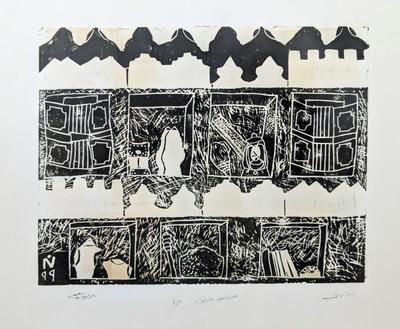 Traditional Wall Niches, 1999
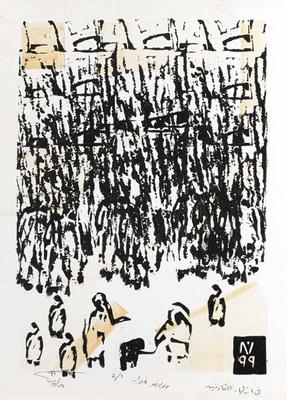 Waiting for the Newcomers, 1999
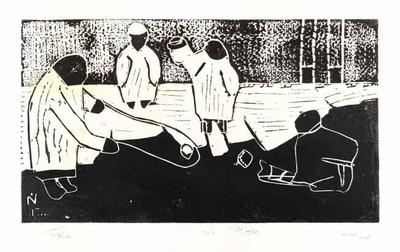 A Spinning Top Game, 2000
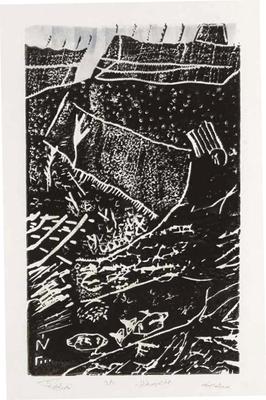 After the Storm, 2000
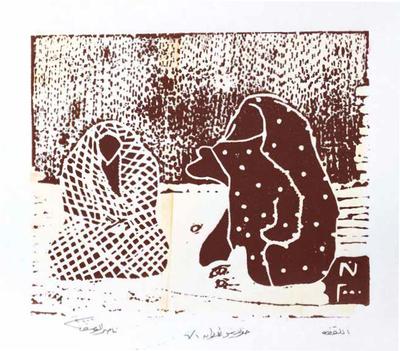 Al-Laqfa Game, 2000
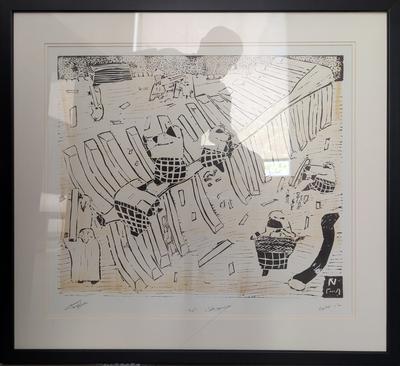 Building the Jalbout, 2000
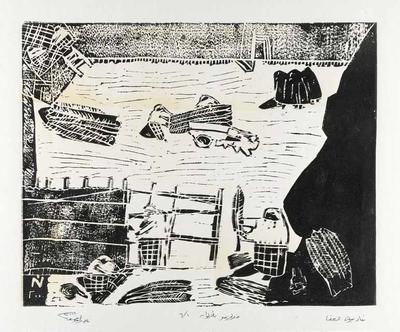 Building the Palm-Leaf Homes, 2000
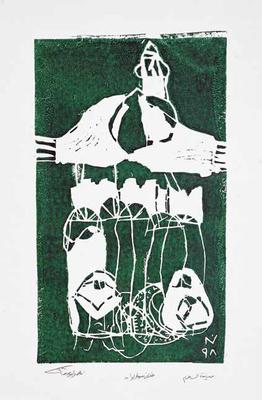 City of Peace, 2000
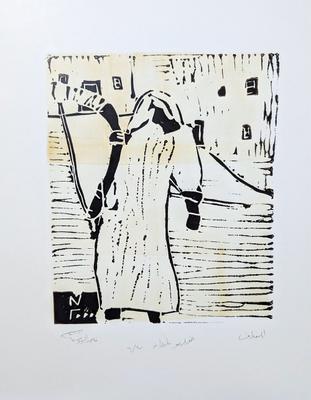 Cotton carder, 2000
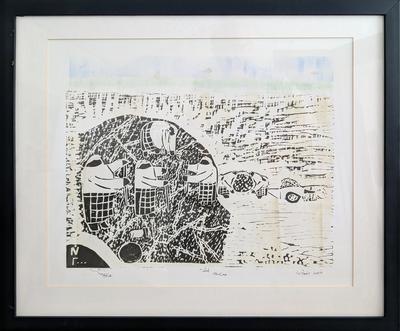 Cutting Reef Sheet-Rocks, 2000
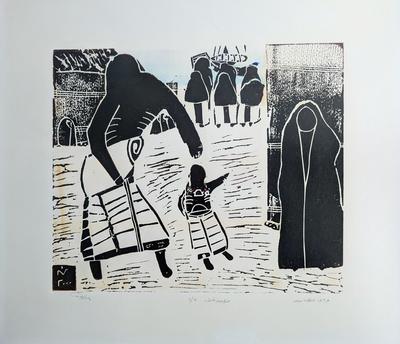 Father, Take Me with You, 2000
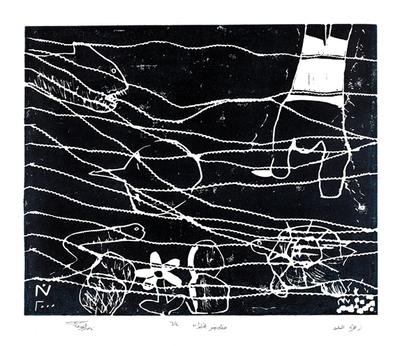 Flower of Immortality, 2000
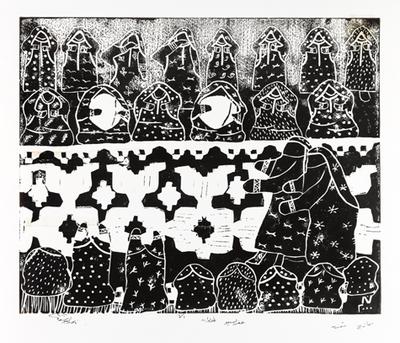 Folkloric Dance, 2000
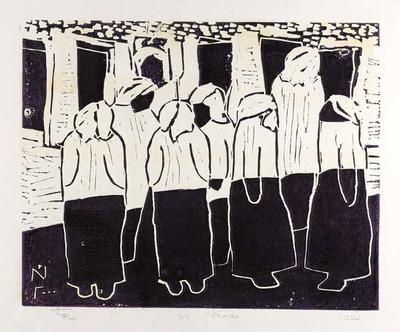 Gatherings, 2000
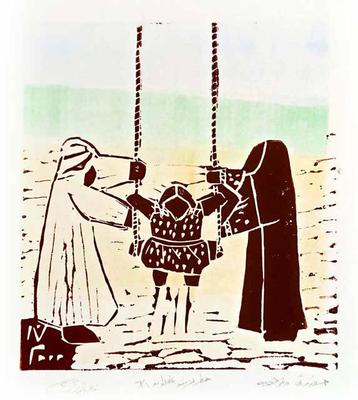 My Grand-Daughter and the Swing, 2000
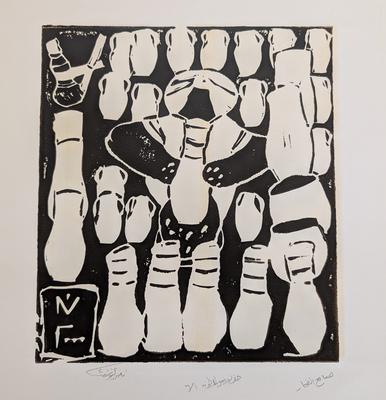 Pottery Maker, 2000
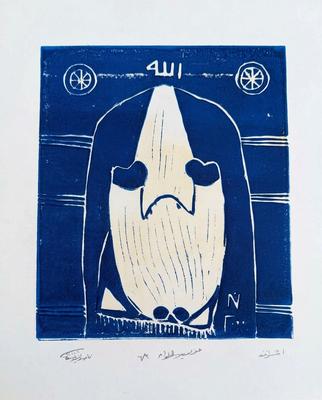 Radiance, 2000
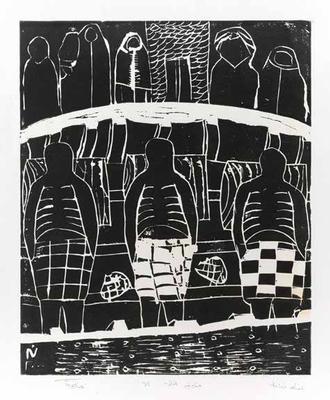 Rest and Memories, 2000
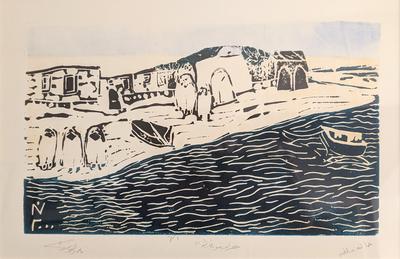 Slita Shore, 2000
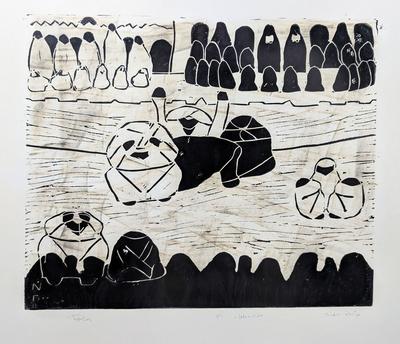 The Airplane Catastrophe, 2000
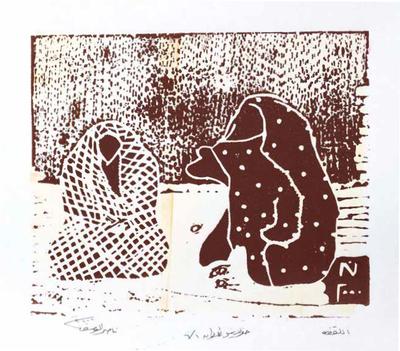 The Five Stones Game, 2000
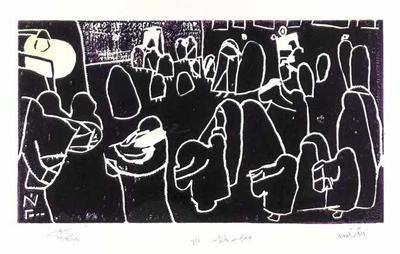 The Gurgai’an Celebration, 2000
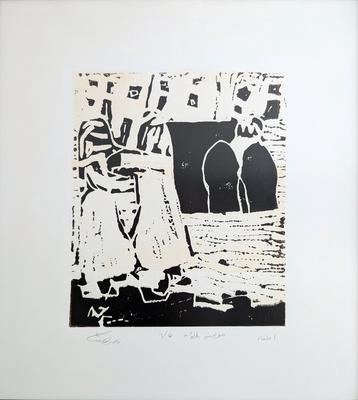 The Meeting, 2000
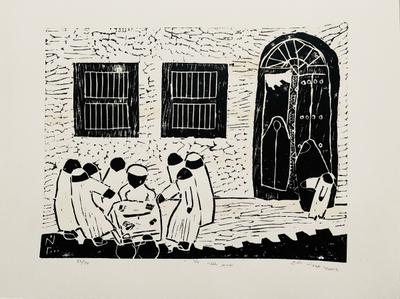 The Neighborhood Boys' Lottery, 2000
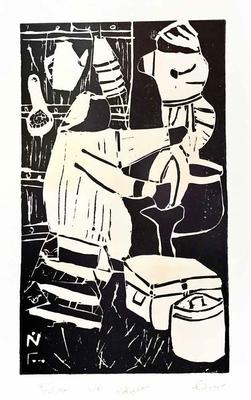 The Tin Market, 2000
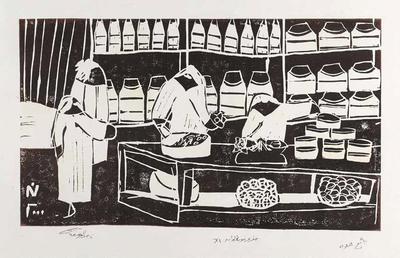 The Traditional Sweet-Seller, 2000
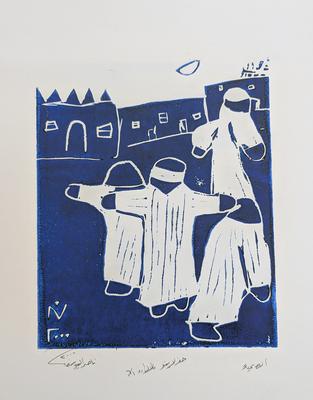 Traditional Game - Hide and Seek, 2000
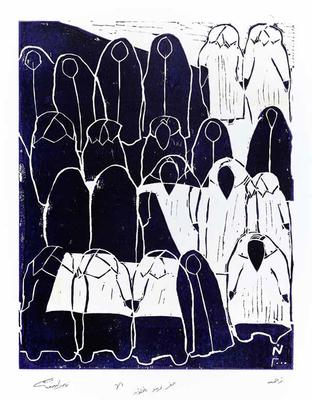 Traffic, 2000
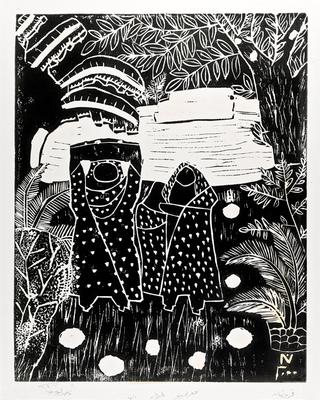 Two Village Girls, 2000
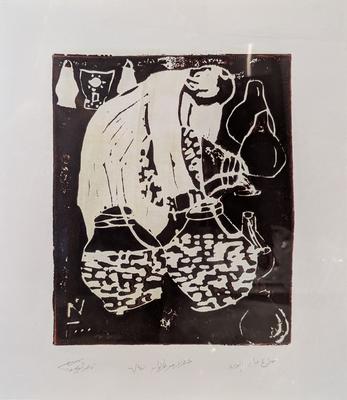 بائع ماء الورد, 2000
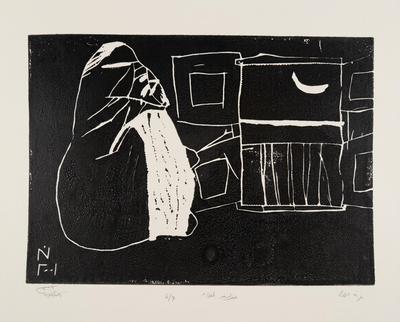 Estrangement of the Soul, 2001
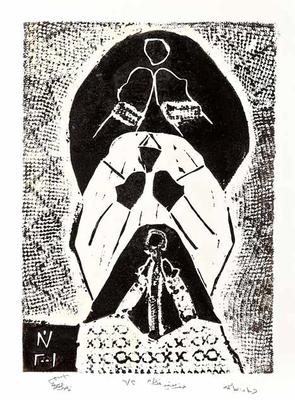 Family Prayers, 2001
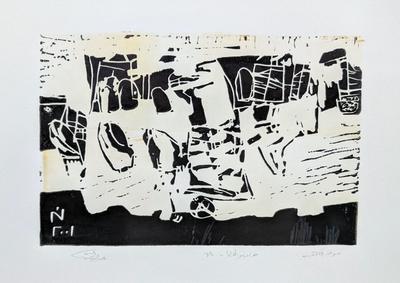 Garashia Souq, 2001
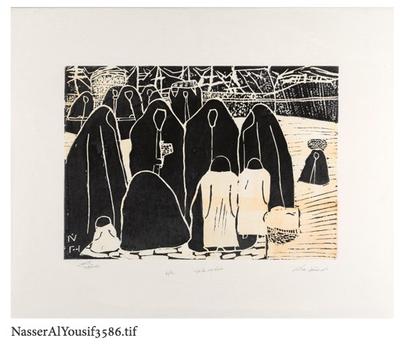 Getting Ready for the Picnic, 2001
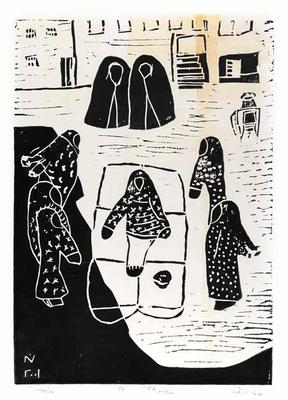 Hopscotch (Lu'bat al-Sakkoon) - Traditional Game, 2001
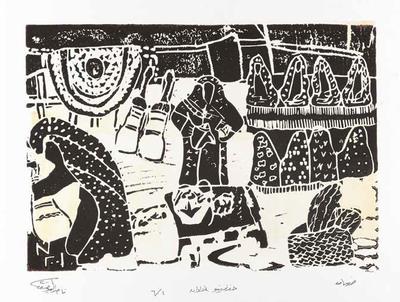 Hospitality, 2001
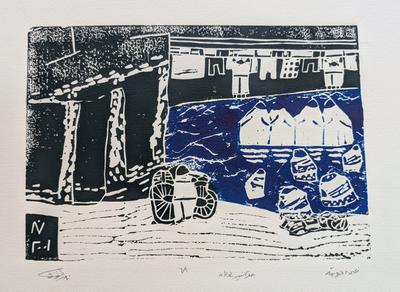 Laundrymen’s Spring, 2001
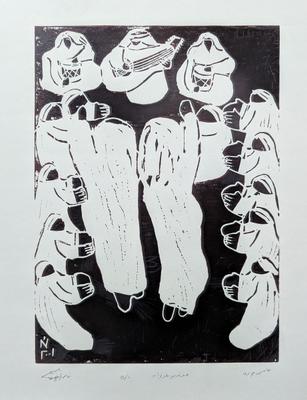 Long Live Jouri, 2001
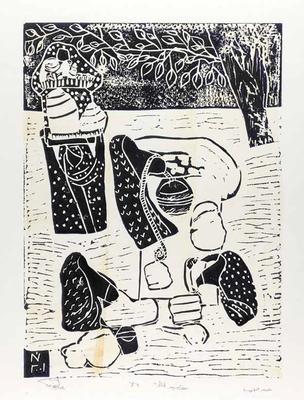 Near the Well, 2001
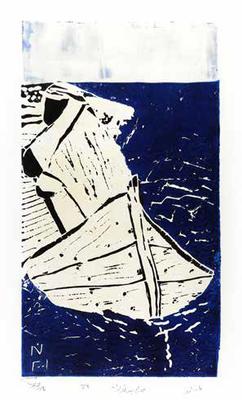 O-ye-Giver, 2001
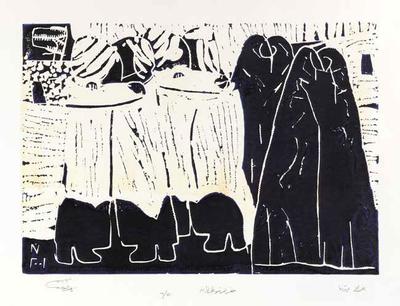 Our Festive Locality, 2001
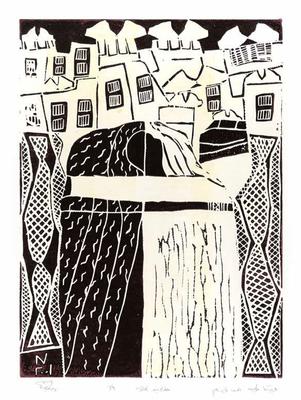 Our Land is the Place for Peace, 2001
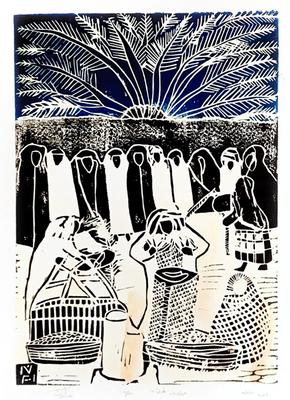 Our Mother the Date Tree, 2001
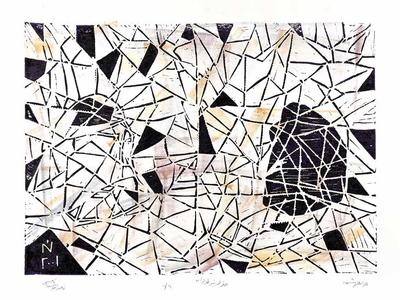 Shattered Mirrors, 2001
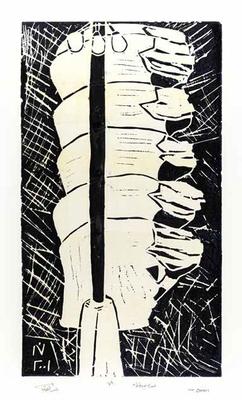 Submission to God, 2001
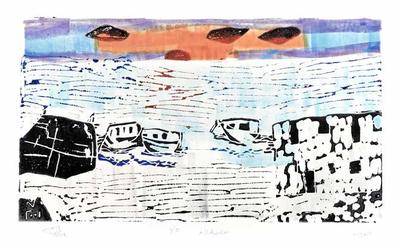 Sunset, 2001
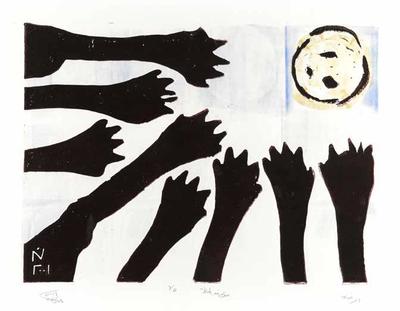 The Bread, 2001
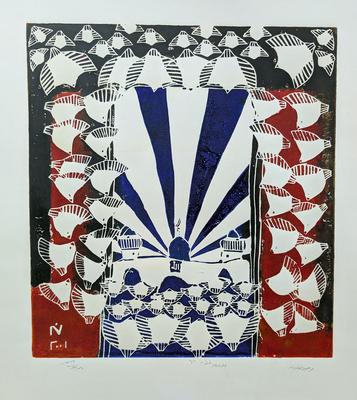 The departure to safety, 2001
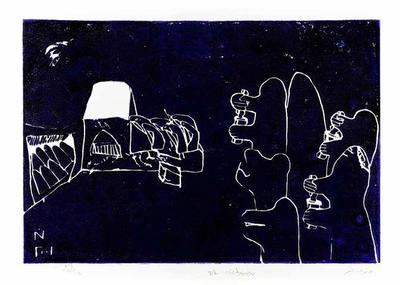 The Eclipse of the Moon, 2001
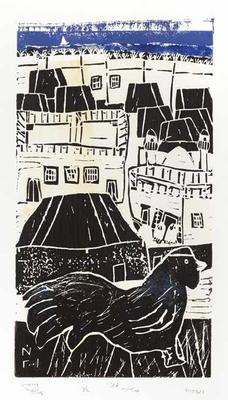 The Guard, 2001
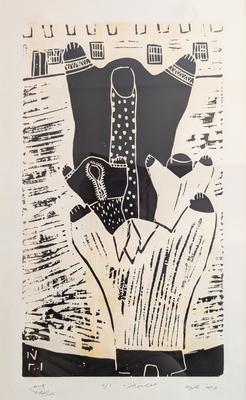 The Happy Return, 2001
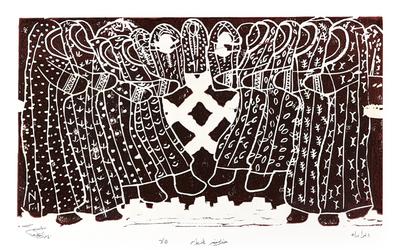 Traditional Dance – AlMuradah, 2001
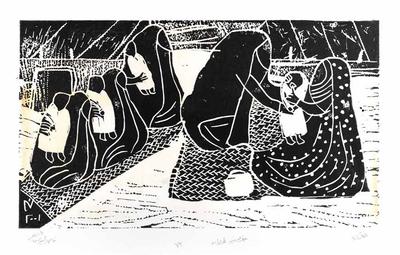 Traditional Healer, 2001
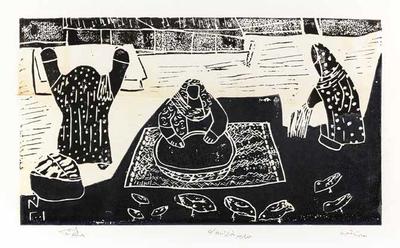 Traditional Home, 2001
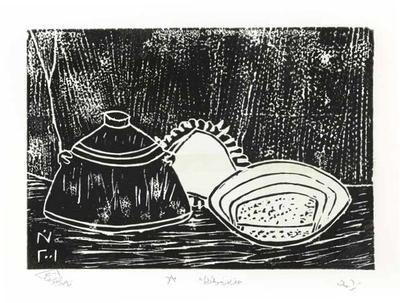 Traditional Items, 2001
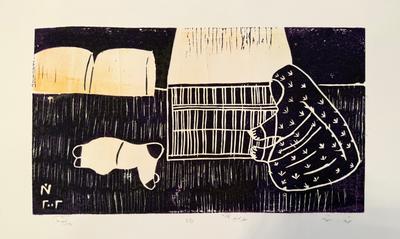 Come here..Come here, 2002
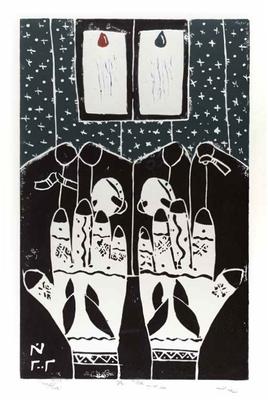 Henna Night, 2002
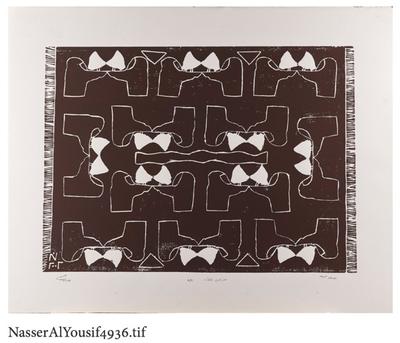 Love Letter, 2002
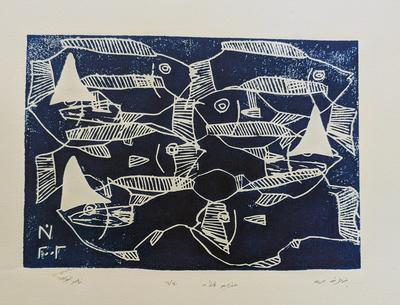 Marine Pattern, 2002
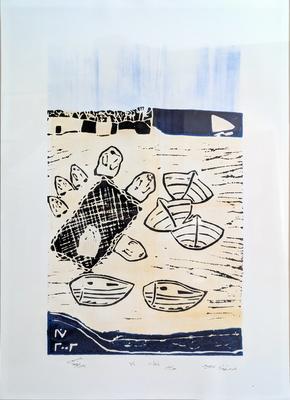 Preparing for Fishing, 2002
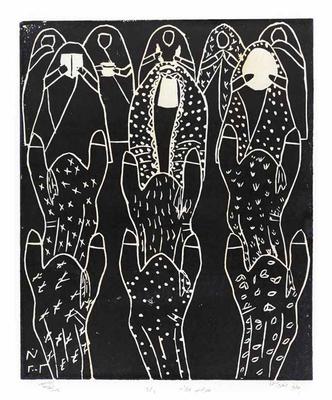 The Bride’s Ceremony, 2002
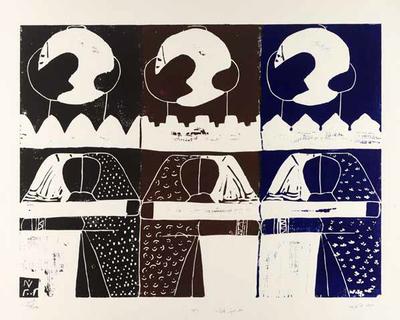 The Joy in Every Home, 2002
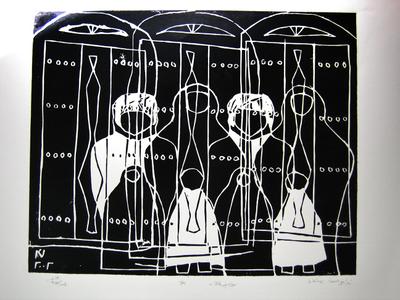 The Merging of Houses and their Inhabitants, 2002
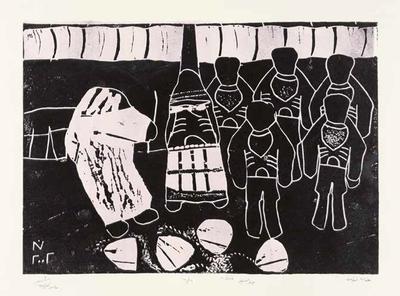 The Punishment of the Pearl Diver, 2002
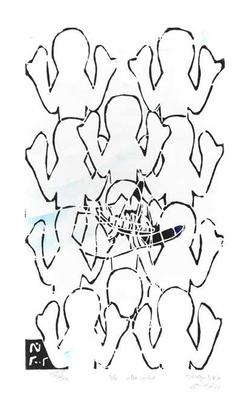 They Were Close to Being Perished, 2002
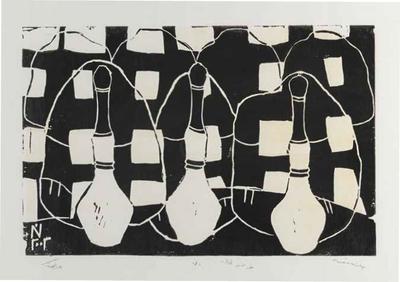 Traditional Gathering, 2002
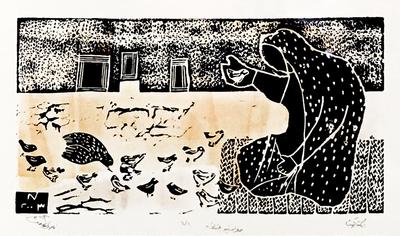 Chicks, 2003
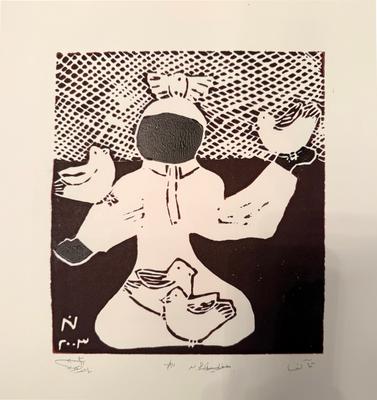 Harmony, 2003
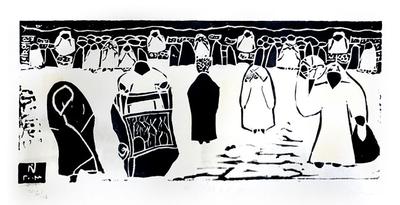 Local Market, 2003
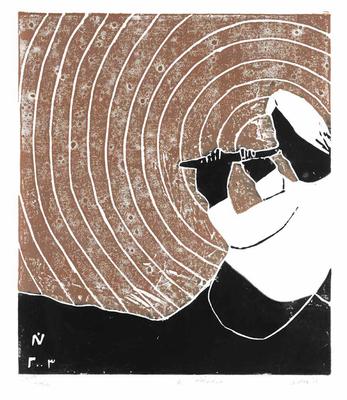 Sorrowful Tunes on the Flute, 2003
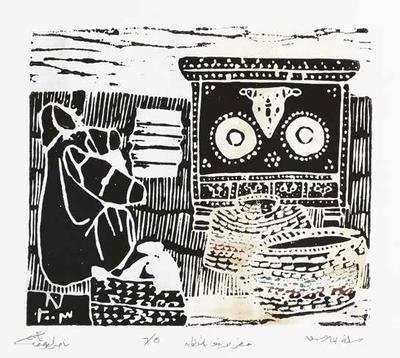 The Clothes Basket, 2003
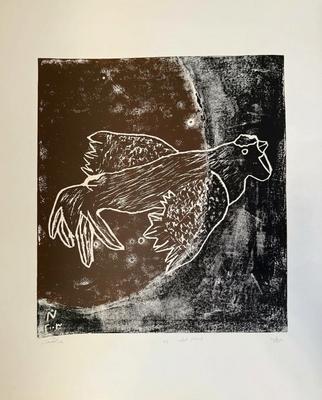 The Escape, 2003
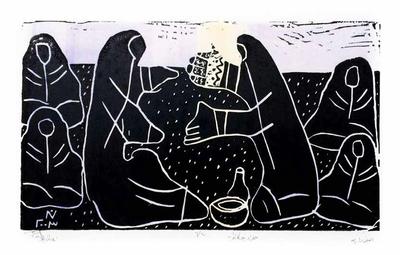 The Henna Lady, 2003
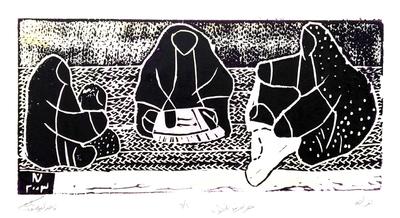 The Masseuse, 2003
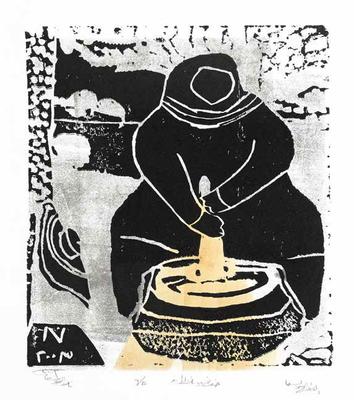 The Preparation of Harees, 2003
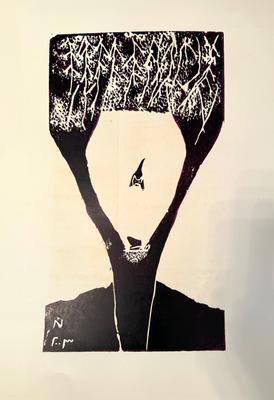 The Prey, 2003
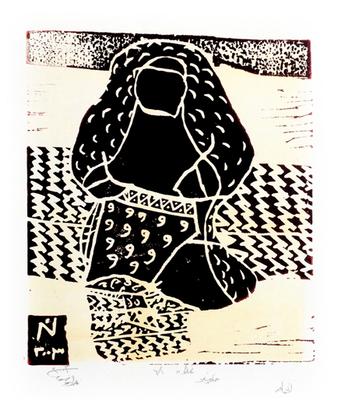 The Tailor, 2003
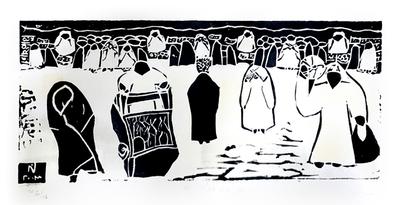 Traditional Market, 2003
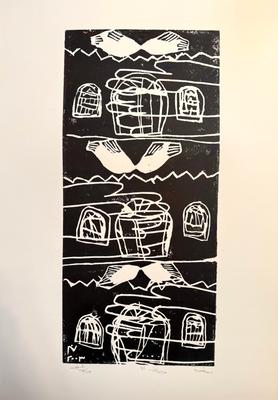 Traditional Song, 2003
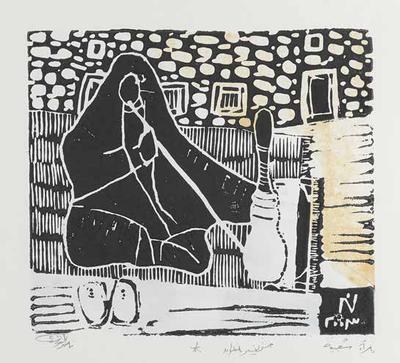 Traditional Woman, 2003
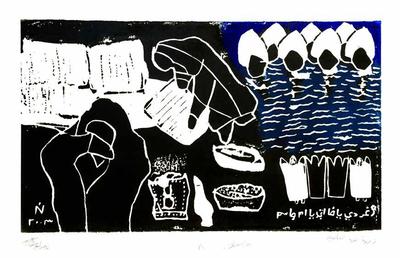 Ululations for the Returned, 2003
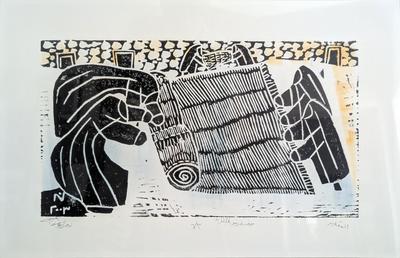 Working Together, 2003
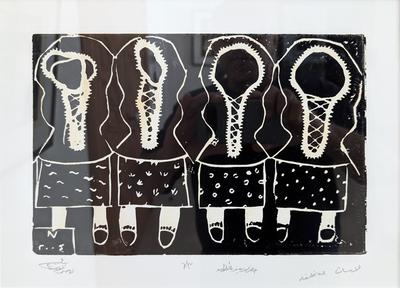 Bukhnaq Wearing Ladies, 2004
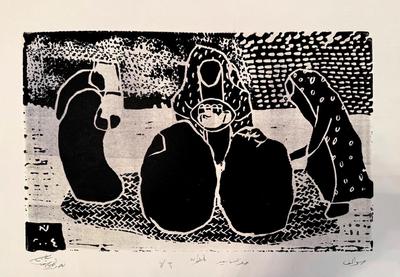 Chats, 2004
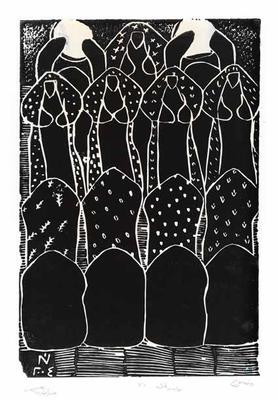 Dance of Joy, 2004
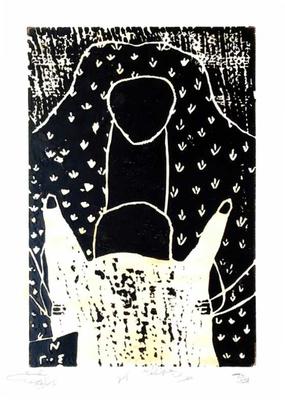 Motherhood, 2004
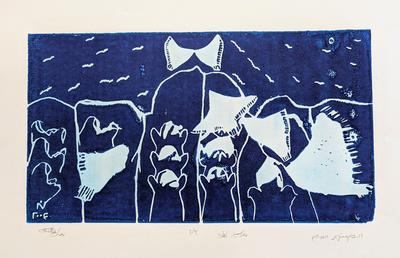 Peace is the Way of Islam, 2004
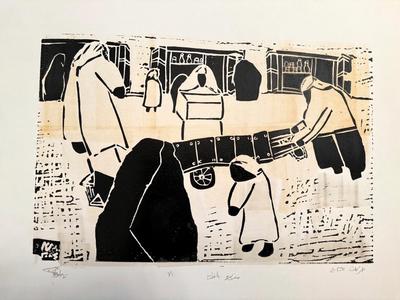 Street Traffic, 2004
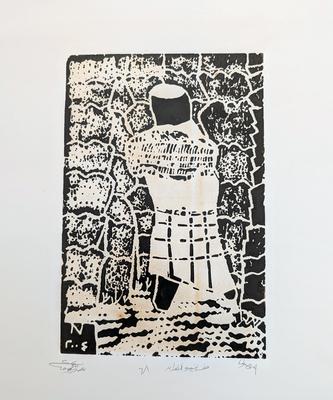 The Harvest, 2004
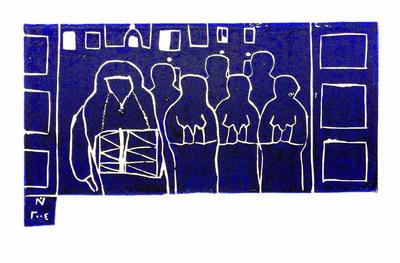 The Ramadan Drummer, 2004
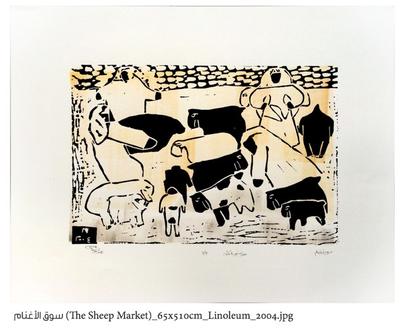 The Sheep Market, 2004
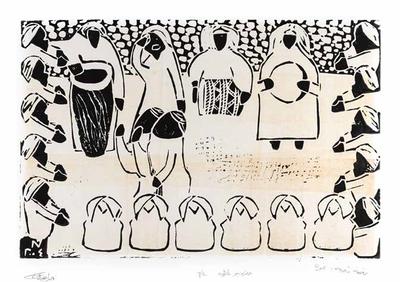 Traditional Dance – Al Fejiri, 2004
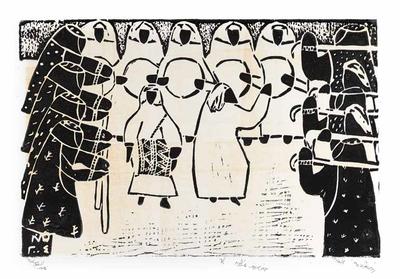 Traditional Dance – Al Kadiri, 2004
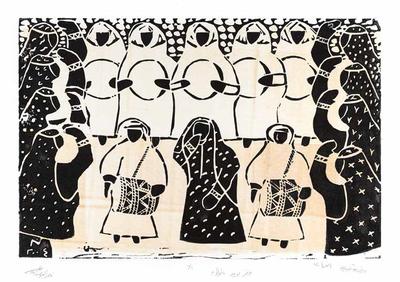 Traditional Dance – Al Khammari, 2004
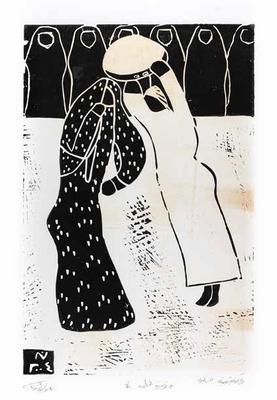 Traditional Dance – Al Samiri, 2004
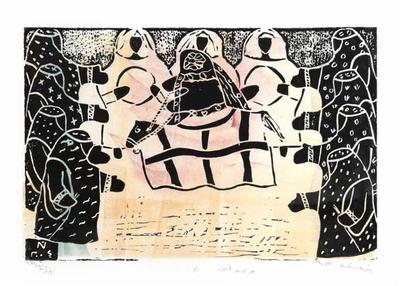 Traditional Dance – Alfraisa, 2004
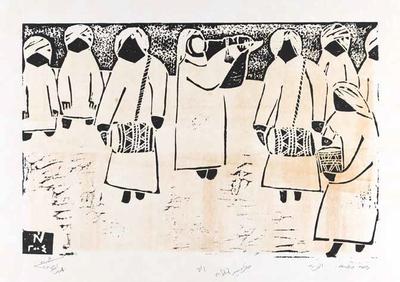 Traditional Dance – Jurba, 2004
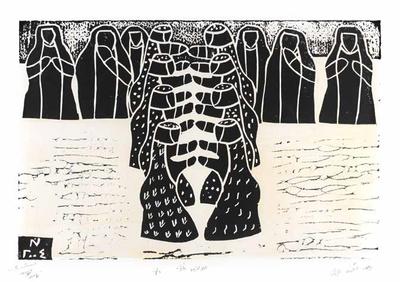 Traditional Dance – Muradah, 2004
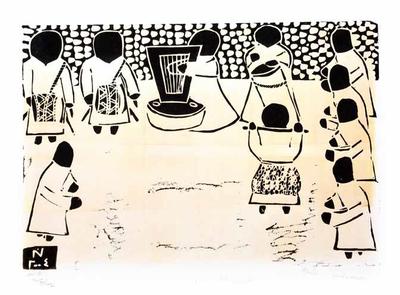 Traditional Dance – Tanboora, 2004