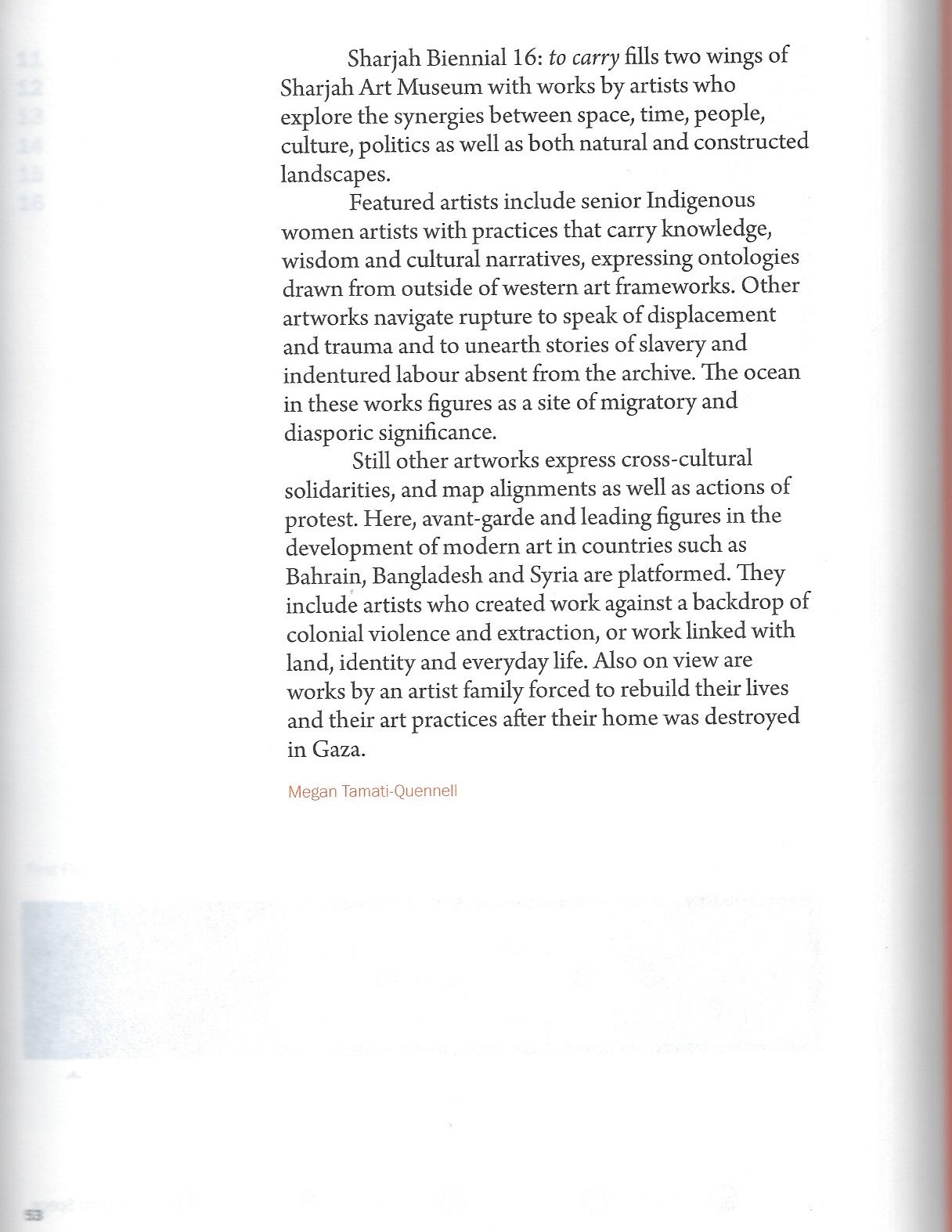
Sharjah Biennial 16: to carry
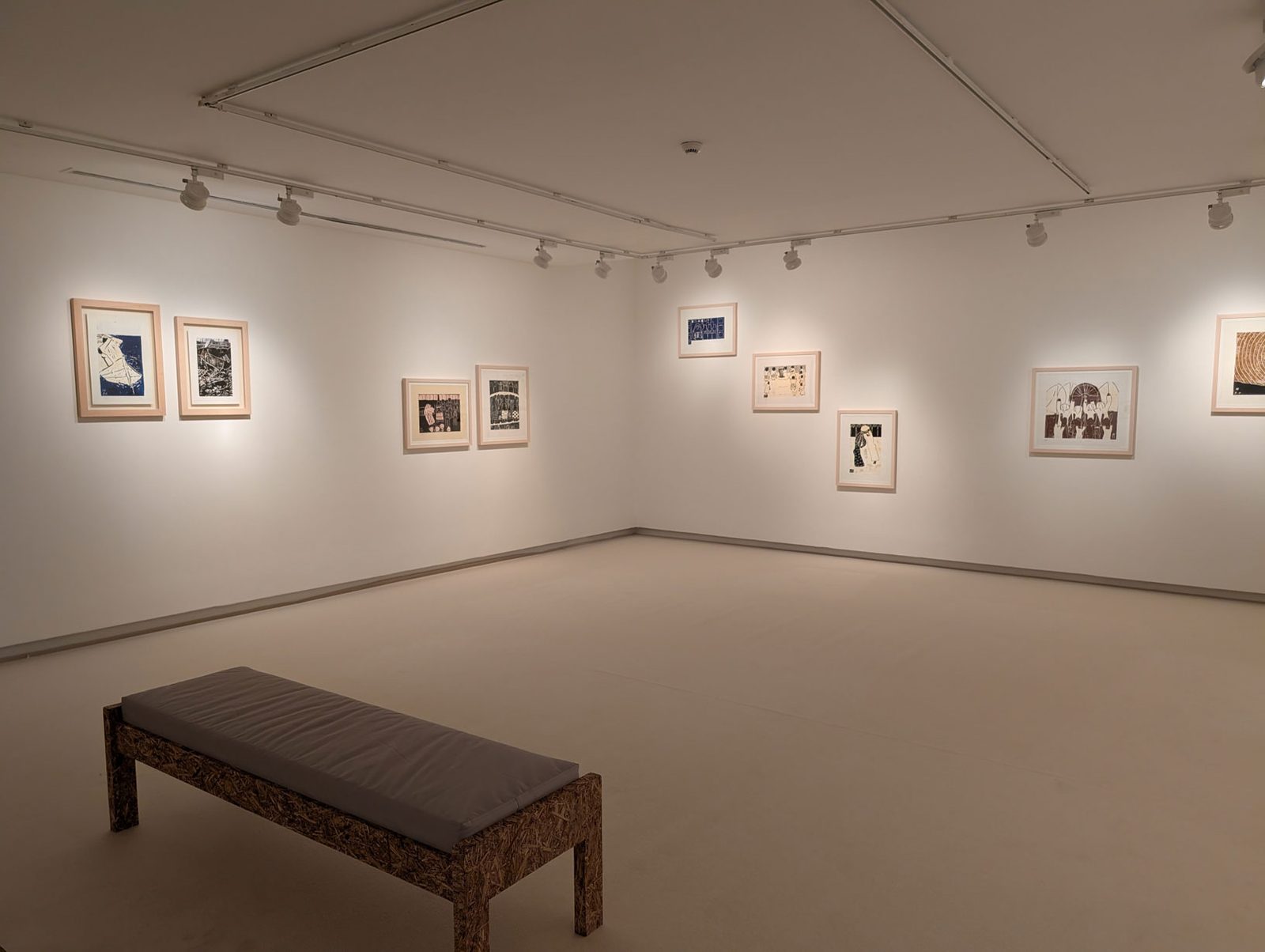
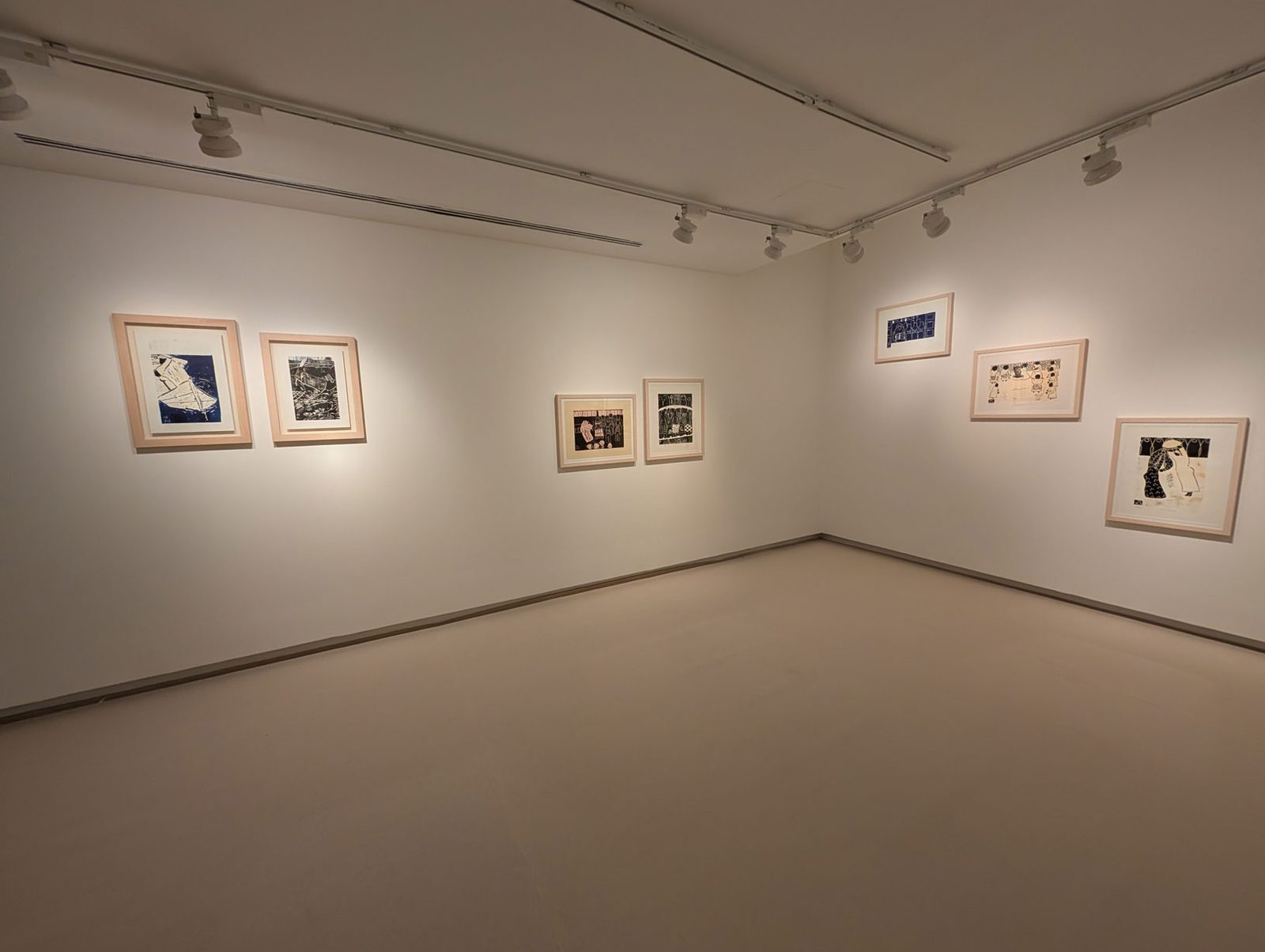
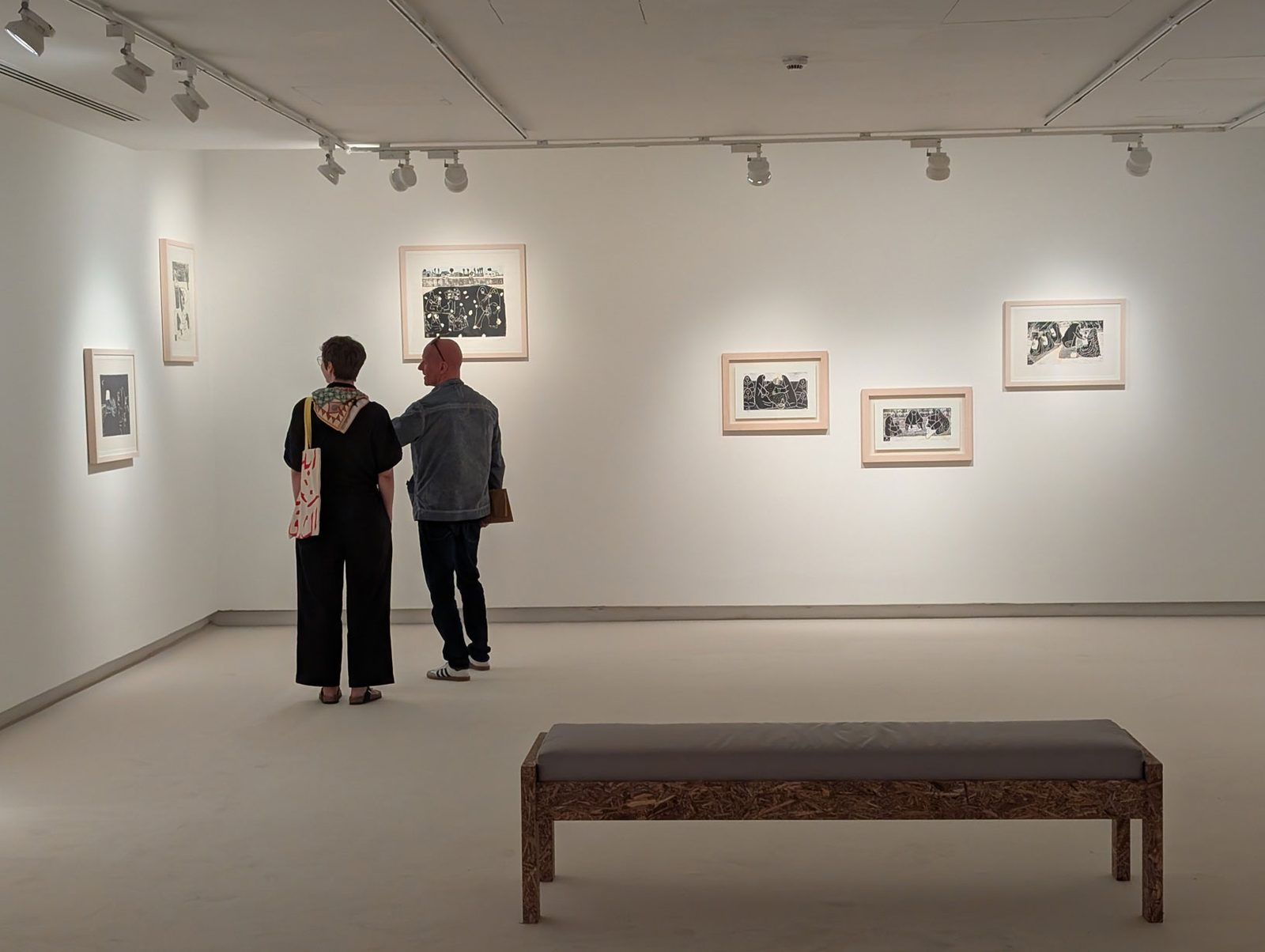
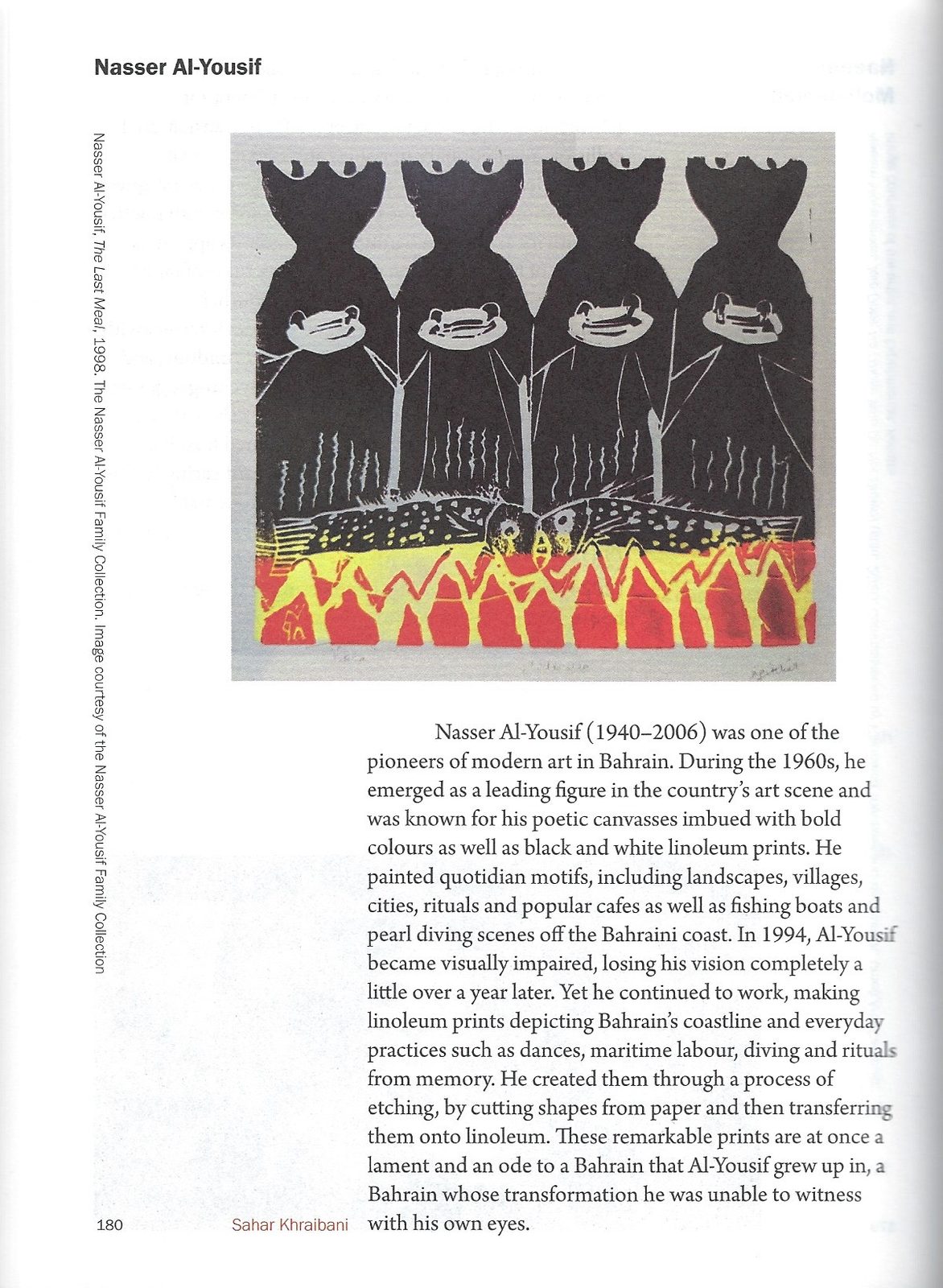
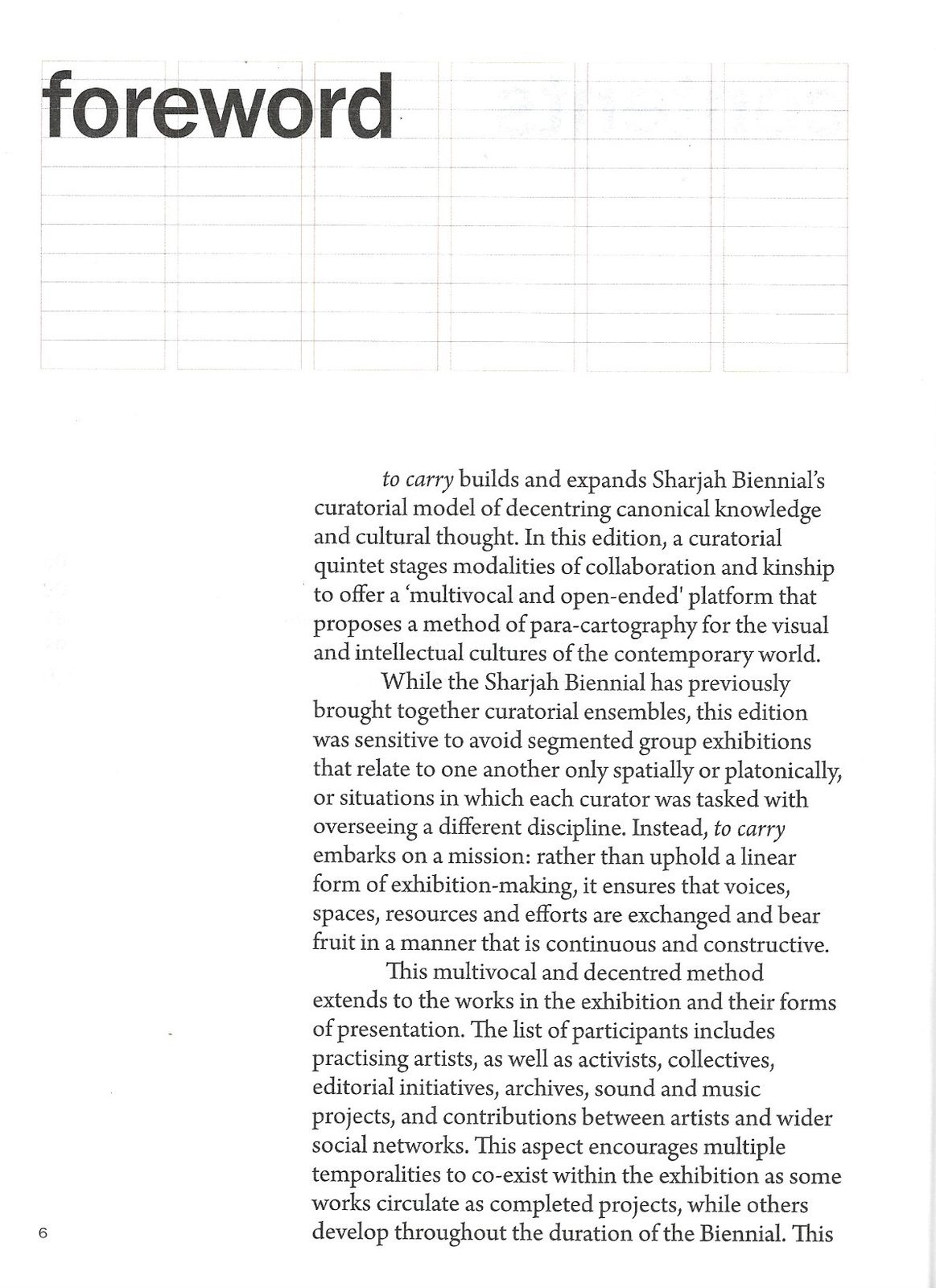
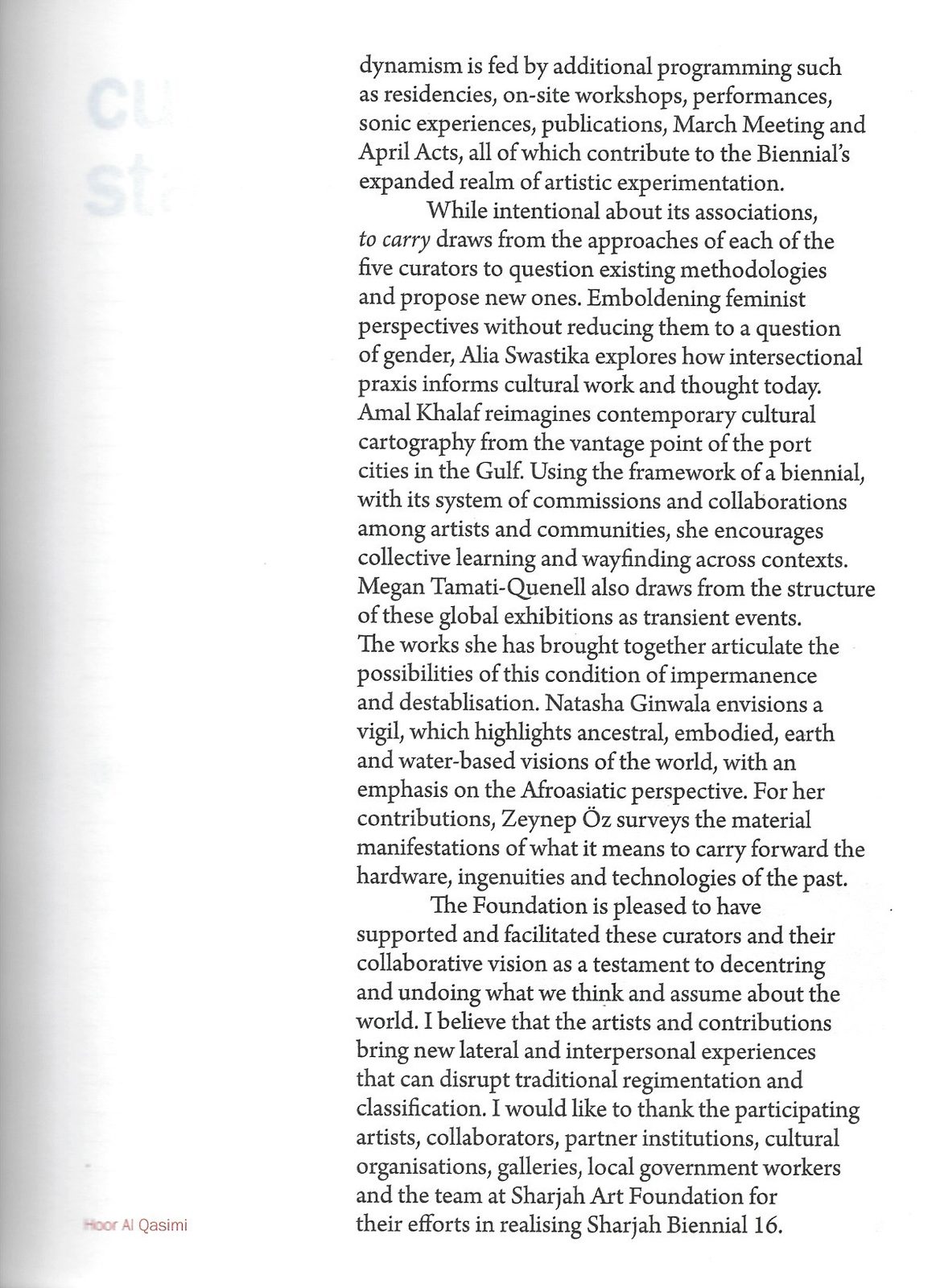
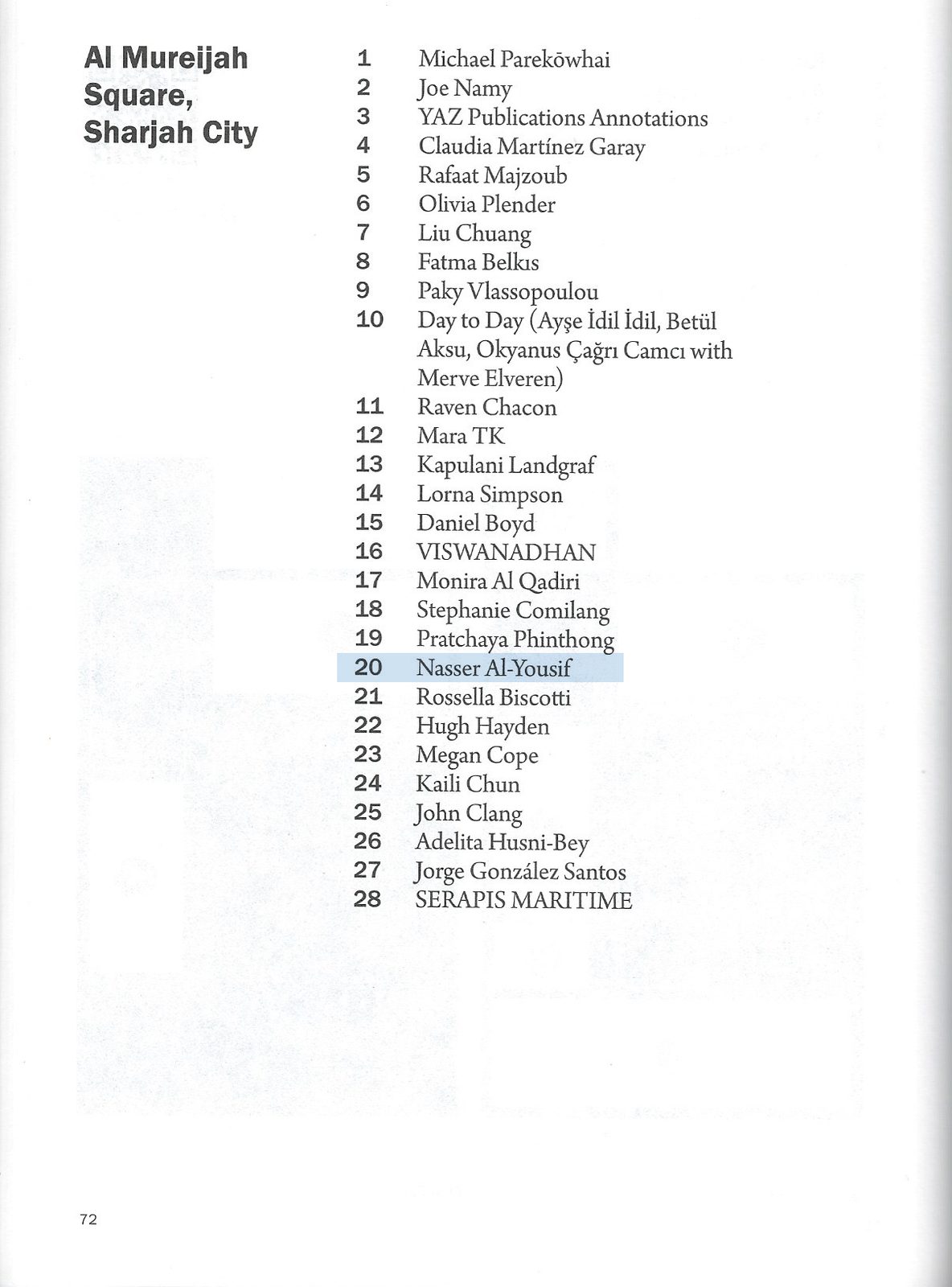
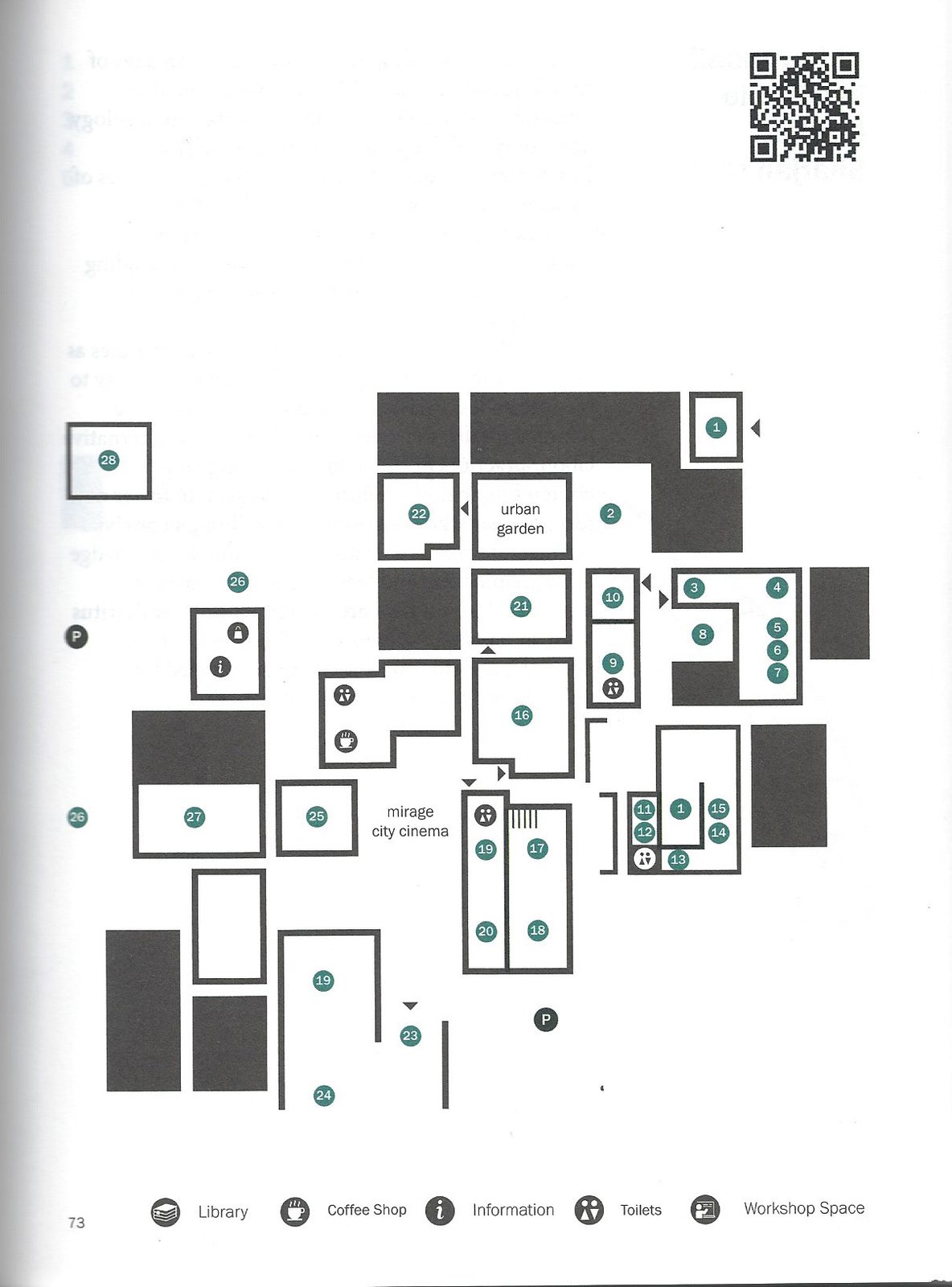
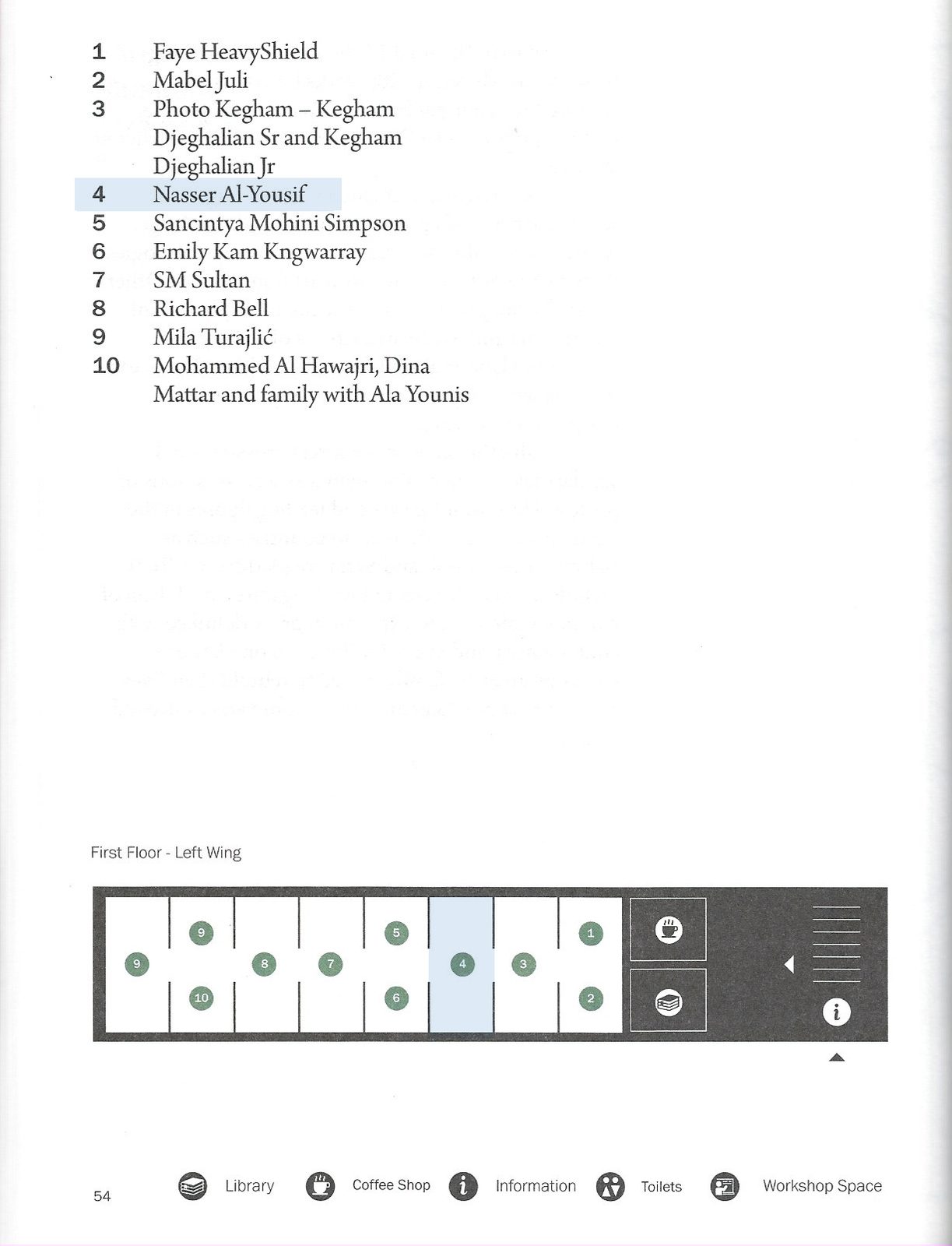
Nasser Al-Yousif is featured as a participant in Sharjah Biennial 16: to carry (February 6 - June 15, 2025), curated by Alia Swastika, Amal Khalaf, Megan Tamati-Quennell, Natasha Ginwala, and Zeynep Öz. The Biennial, which presents over 650 works by nearly 200 participants, including more than 200 new commissions, explores themes of what we carry across generations and cultures - from homes and histories to wounds and resistance. Al-Yousif's inclusion in this major international exhibition, held across 17 venues in the Emirate of Sharjah, represents continued recognition of his artistic legacy and his contributions to visual arts in the Gulf region. The Biennial's focus on intergenerational stories, embodied pasts, and collective memory-keeping particularly resonates with Al-Yousif's lifelong artistic practice of documenting Bahraini heritage, folk traditions, and communal narratives through his distinctive visual language.
- Archive no. ARC-20250714-002
- 9 pages scanned
SubjectsSharjah Biennial 16SB16to carryNasser Al-Yousifناصر اليوسفcontemporary artGulf artMiddle Eastern art2025Alia SwastikaAmal KhalafMegan Tamati-QuennellNatasha GinwalaZeynep Özinternational art exhibitionSharjah Art FoundationHoor Al Qasimicollective memoryintergenerational storiescultural heritageBahraini artistposthumous exhibitionmultivocalpolyphonic narrativesIndigenous knowledgeoceanic crossingsmaritime historyenvironmental justicecollective wayfindingMarch Meeting 2025April Acts 2025UAE art sceneArab contemporary artvisual artscultural preservation
النص الأصلي
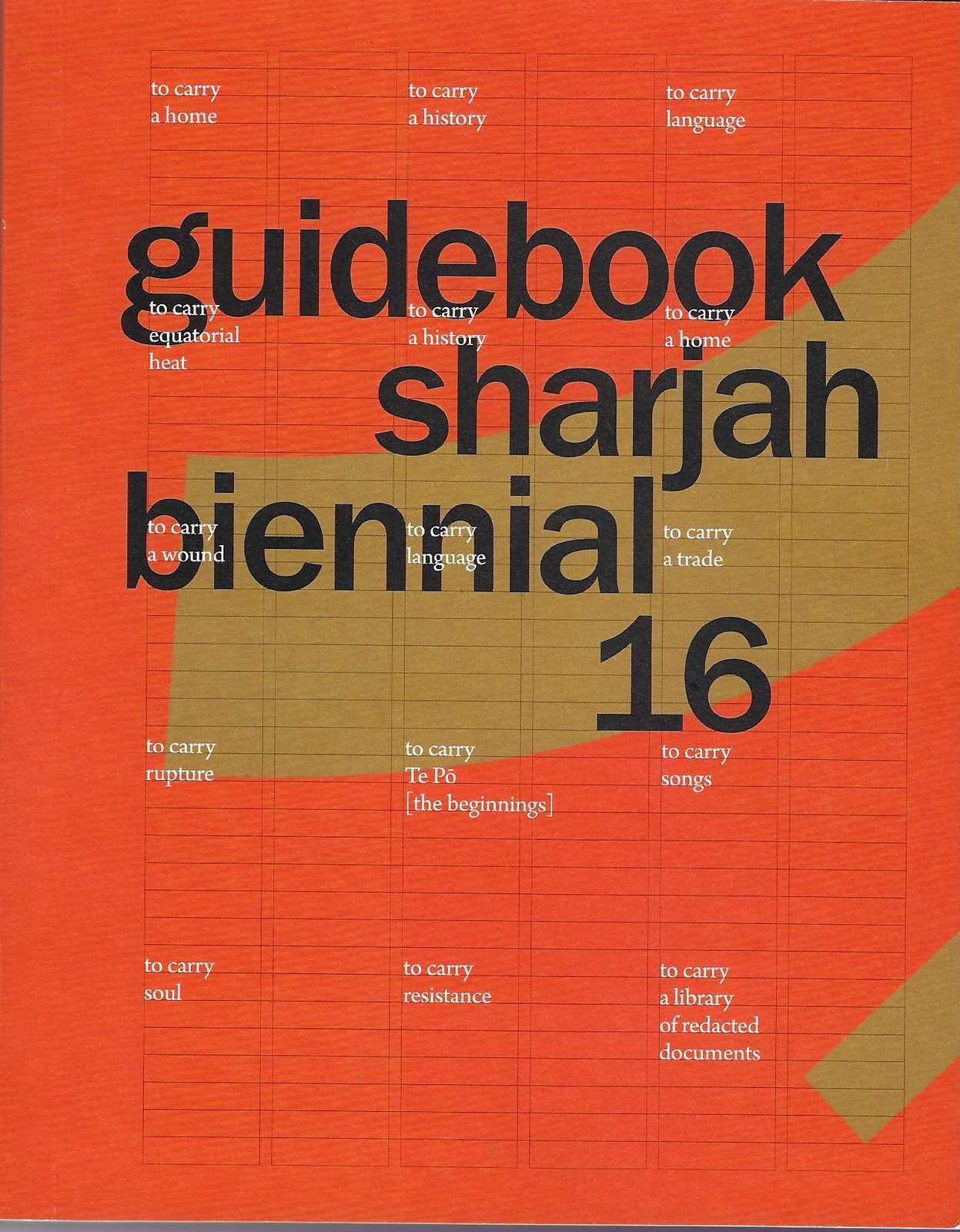
غلاف كتاب البينالي الرسمي
Translation
The Biennial official book cover
النص الأصلي
نحو المستقبل: الحضور البعدي لناصر اليوسف في بينالي الشارقة 16
إن إدراج ناصر اليوسف في بينالي الشارقة 16: أن نحمل (6 فبراير - 15 يونيو 2025) يمثل لحظة عميقة من التقدير لفنان جسّد عمل حياته جوهر الطرح المركزي للبينالي. بعد ما يقارب العقدين من وفاته عام 2006، لا يزال فن اليوسف يتردد صداه ضمن الحوارات المعاصرة حول التراث والذاكرة ونقل المعرفة الثقافية عبر الأجيال. إن مشاركته في هذا المعرض الواسع، الذي يجمع ما يقارب 200 فنان من جميع أنحاء العالم، تؤكد أهميته المستمرة للمحادثات حول ما نحمله - كأفراد ومجتمعات وثقافات - عبر الزمان والمكان.
فعل الحمل: ممارسة العمر
يمكن لعنوان البينالي متعدد الأصوات، أن نحمل، أن يكون بمثابة إطار استرجاعي لفهم رحلة اليوسف الفنية بأكملها. طوال مسيرته المهنية، من الستينيات حتى وفاته، حمل اليوسف ثقل وجمال التراث البحريني في لوحاته. وُلد في المحرق عام 1940، ونشأ محاطاً بالزخارف الجصية المزخرفة للبيوت التقليدية، والأنماط الإيقاعية لتطريز البشوت في ورشة عائلته، والحكايات الملحمية للغواصين العائدين من رحلات صيد اللؤلؤ. أصبحت هذه الانطباعات المبكرة الحمولة التي سيحملها طوال حياته الفنية، محولاً ذكريات الطفولة إلى لغة بصرية تتحدث عن الأصالة المحلية والتجارب الإنسانية العالمية على حد سواء.
كان فن اليوسف في جوهره فعل حمل - حمل قصص الغواصين من أعماق مياه الخليج إلى سطح لوحاته، حمل الأنماط الهندسية للعمارة الإسلامية من الواجهات المتهالكة إلى السجل الفني الدائم، حمل دفء التجمعات المجتمعية وعزلة الكفاح الفردي. تكشف مقولته "الناس بدون تراث لا قيمة لهم" عن فهمه للحمل الثقافي كأمر أساسي للكرامة والهوية الإنسانية.
أصداء مع المواضيع التنظيمية
يجلب القيّمون الخمسة لبينالي الشارقة 16 - عاليا سواستيكا، أمل خلف، ميغان تاماتي-كوينيل، ناتاشا جينوالا، وزينب أوز - وجهات نظر متميزة تضيء جوانب مختلفة من ممارسة اليوسف. يتواصل تركيز سواستيكا على "الدور التأسيسي لمعرفة المرأة" مع تصوير اليوسف المستمر للنساء كحافظات للتقاليد ورموز للاستمرارية في المجتمع البحريني. غالباً ما صورت لوحاته النساء كشخصيات مركزية في الحياة المنزلية والثقافية، من الحضور الغامض الشبيه بالحمام في أعماله الرمزية إلى الشخصيات الأمومية القوية التي تترأس التجمعات العائلية.
يتردد صدى اقتراح خلف لـ"رواية القصص والأغنية والعرافة كطقوس للتعلم الجماعي والمقاومة" مباشرة مع منهجية اليوسف نفسه. توضح رسوماته التوضيحية لمجموعة الشاعر علي عبد الله خليفة الشعرية عطش النخيل (1970) وتفسيراته البصرية للمواويل (الشعر الغنائي التقليدي) كيف فهم الفن كشكل من أشكال العرافة الثقافية - قراءة علامات الماضي للتنقل في الحاضر والمستقبل. عملت رسومات الحبر الأسود التي أنشأها في 1968-69، بـ"عفويتها وبساطتها المتناهية"، كمواويل بصرية، حاملة ترددات عاطفية وثقافية عبر الزمن.
يوفر تركيز ناتاشا جينوالا على "المواقع الساحلية في المحيط الهندي وآبار المياه في الشارقة كخزانات تؤكد الذاكرة الأسلافية" إطاراً جغرافياً ومفاهيمياً لفهم لوحات الغوص لليوسف. يمكن قراءة سلسلته من سبع لوحات زيتية كبيرة الحجم عن الغوص على اللؤلؤ (1969) كتأملات عميقة في الخليج كموقع للرزق والكفاح معاً، حيث نزلت أجيال من الرجال إلى الظلام لإخراج الكنوز التي ستدور في شبكات عالمية من التجارة والرغبة. تجد الآبار والمسطحات المائية التي تحددها جينوالا كـ"خزانات" للذاكرة موازياً لها في لوحات اليوسف، التي عملت كخزانات للقصص والصراعات والأحلام لثقافة بحرية في مرحلة انتقالية.
حوار مع المشاركين المعاصرين
يخلق حضور اليوسف في بينالي الشارقة 16 حوارات رائعة مع الفنانين المعاصرين الذين يستكشفون مواضيع مماثلة. يتحدث عمل مريم النعيمي حول "علاقات منطقة الخليج بالمسطحات المائية ككيانات حية" وإعادة أدائها للطقوس المحلية مباشرة إلى معاملة اليوسف نفسه للبحر كحضور حي في الحياة البحرينية. بينما تتناول النعيمي هذه العلاقات من خلال الاهتمامات المعاصرة حول استصلاح الأراضي والتغير البيئي، توفر وجهة نظر اليوسف التاريخية خط أساس لفهم ما تم تحويله وما يستمر.
يعكس تأكيد المعرض على العمليات الجماعية وبناء العوالم المجتمعية أيضاً ممارسة اليوسف نفسه. تستبق مشاركته مع "أسرة هواة الفن" في البحرين - بما في ذلك كريم العريض وراشد سوار وآخرين - الممارسات التعاونية المعاصرة مثل مشروع النسيج أو ذخيرة الخيط الخرساني. فهم اليوسف صناعة الفن كعملية جماعية بطبيعتها، متجذرة في التجارب المشتركة والذاكرة الجماعية.
التكنولوجيا والتقاليد والتحول
يوفر التركيز التنظيمي لزينب أوز على "الأنظمة المجتمعية والاقتصادية... المطورة استجابة للتغيرات المتسارعة في التكنولوجيا والعلوم" عدسة أخرى يمكن من خلالها رؤية عمل اليوسف. تُظهر تجربته مع الحفر على الزنك بعد مواجهة التقنية في مهرجان أصيلة 1980 في المغرب انفتاحه على التقنيات الجديدة مع الحفاظ على الإخلاص للموضوعات والمواضيع التقليدية. هذا التوازن بين الابتكار والتقليد - بين المضي قدماً والتكيف - يجسد نوع التفاوض الإبداعي الذي يستكشفه العديد من فناني بينالي الشارقة 16.
ربما الأكثر تأثيراً، يتحدث إنتاج اليوسف الفني المستمر بعد فقدان بصره إلى تحقيق البينالي في كيفية حملنا للمعرفة في أشكال مجسدة. باستخدام نفس تقنيات الحبر الأسود من عمله السابق، أنشأ ما أسماه عبد الله يوسف "أعمالاً جديدة مذهلة" تحدت عماه من خلال "البصيرة بإرادة صلبة وهمة عالية". يتردد صدى هذا التحول من القيد إلى الإمكانية مع الأعمال في بينالي الشارقة 16 التي تتناول المرونة والتكيف والطرق المتعددة للرؤية والمعرفة.
المضي قدماً: الإرث والمستقبل
إن إدراج اليوسف في بينالي الشارقة 16 هو أكثر من مجرد تكريم استرجاعي؛ إنه تفاعل نشط مع عمله كقوة حية في الخطاب الفني المعاصر. يمكن تمديد العنوان الفرعي للبينالي: "أن نحمل إلى الأمام"، معترفاً بكيفية استمرار تحقيقات اليوسف الفنية في توليد المعنى في سياقات جديدة. يكتسب استكشافه للأبواب كعتبات وبدايات أهمية جديدة في معرض منظم حول الممرات والانتقالات. تنضم رموزه المتكررة من الحمام والقطط والديوك إلى حديقة حيوانات رمزية أكبر في البينالي، كل منها يحمل رموزه الثقافية وأوزانه الأسطورية الخاصة.
تعكس بنية البينالي، مع أعمال من قبل قيّمين متعددين تشكل "التقاءات" و"كوكبات هجينة" في كل مساحة، نهج اليوسف التركيبي الخاص في صناعة الفن. استمد من الجماليات الإسلامية والتقاليد الشعبية والتقنيات الحداثية والذاكرة الشخصية لخلق لغة بصرية فريدة كانت محلية بعمق وقابلة للتواصل على نطاق واسع في آن واحد. هذه القدرة على الاحتفاظ بتأثيرات متعددة والتحدث إلى جماهير متنوعة تجعل عمله ذا صلة خاصة بطموحات بينالي الشارقة 16 متعددة الأصوات.
الخاتمة: العودة الأبدية
في مقابلته عام 1994، تحدث اليوسف عن الباب كـ"بداية الأشياء... مفتاح كل معرفة". يفتح حضوره في بينالي الشارقة 16 باباً بين الماضي والحاضر، بين الجيل الرائد من فناني الخليج والممارسين المعاصرين الذين يتصارعون مع التغيير المتسارع والتقاليد المستمرة. يسأل البينالي، "ماذا نحمل عندما ننجو؟" يقدم فن اليوسف إجابة واحدة: نحمل القصص، نحمل الجمال، نحمل مسؤولية التوثيق والنقل، نحمل الشجاعة لمواصلة الإبداع حتى عندما يفشل النور.
عندما يواجه الزوار عمل اليوسف بين 650 قطعة موزعة عبر 17 موقعاً في الشارقة، سيختبرون ليس مجرد قطع أثرية تاريخية بل مشاركين نشطين في المحادثات المستمرة حول الهوية والتراث والتحول. قد تتحدث لوحاته للغواصين الصاعدين من الأعماق إلى بطاطا يوني سكارس الزجاجية العائمة مثل السحب المشعة؛ قد تفتح أبوابه على معرفة فرناندو بالما رودريغيز الأسلافية المستعادة؛ قد تنضم نساؤه إلى الأخوة العالمية لملاجئ و مانيفستو المبطنة.
حمل ناصر اليوسف قصص البحرين إلى العالم وحمل ابتكارات العالم الفنية إلى البحرين. الآن، يحمل بينالي الشارقة 16 رؤيته إلى الأمام، مضمناً أن صوته يبقى جزءاً من الجوقة متعددة الأصوات التي تخاطب لحظتنا المعاصرة. في هذا الفعل من الحمل الثقافي، يحقق البينالي دوره كـ"إيجاد طريق جماعي"، مع اليوسف الذي يعمل كبوصلة ووجهة على حد سواء - تذكير بأين كنا ودليل إلى أين قد نذهب. يذكرنا فنه أن الحمل ليس مجرد الحفاظ بل التحويل، ليس فقط التذكر بل إعادة التخيل، ليس فقط تكريم الماضي بل تقديمه، محولاً، إلى المستقبل.
Translation
Carrying Forward: Nasser Al-Yousif's Posthumous Presence in Sharjah Biennial 16
The inclusion of Nasser Al-Yousif in Sharjah Biennial 16: to carry (February 6 - June 15, 2025) represents a profound moment of recognition for an artist whose life's work embodied the very essence of the Biennial's central proposition. Nearly two decades after his death in 2006, Al-Yousif's art continues to resonate within contemporary dialogues about heritage, memory, and the transmission of cultural knowledge across generations. His participation in this expansive exhibition, which brings together nearly 200 artists from around the world, affirms his enduring relevance to conversations about what we carry—as individuals, communities, and cultures—through time and space.
The Act of Carrying: A Lifetime's Practice
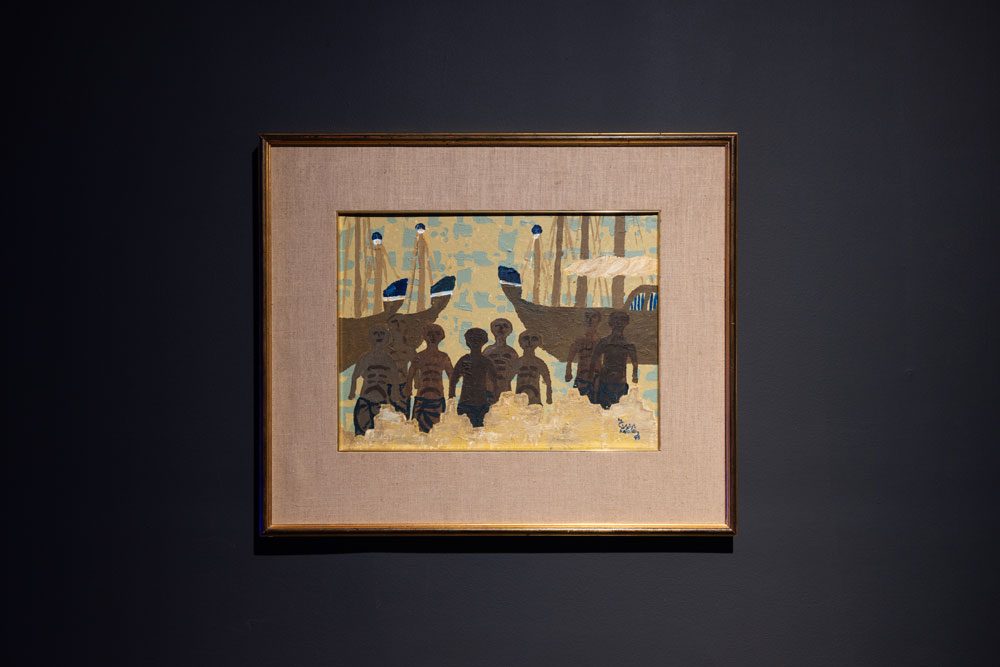
The Biennial's multivocal title, to carry, could serve as a retrospective framework for understanding Al-Yousif's entire artistic journey. Throughout his career, from the 1960s until his death, Al-Yousif carried the weight and beauty of Bahraini heritage in his canvases. Born in Muharraq in 1940, he grew up surrounded by the ornate plaster decorations of traditional houses, the rhythmic patterns of bisht embroidery in his family's workshop, and the epic tales of divers returning from pearl-hunting expeditions. These early impressions became the cargo he would carry throughout his artistic life, transforming childhood memories into a visual language that spoke both to local authenticity and universal human experiences.
Al-Yousif's art was fundamentally an act of carrying—carrying the stories of pearl divers from the depths of the Gulf waters to the surface of his canvases, carrying the geometric patterns of Islamic architecture from crumbling facades to permanent artistic record, carrying the warmth of communal gatherings and the solitude of individual struggle. His statement, "People without heritage have no value," reveals his understanding of cultural carrying as essential to human dignity and identity.
Resonances with Curatorial Themes
The five curators of SB16—Alia Swastika, Amal Khalaf, Megan Tamati-Quennell, Natasha Ginwala, and Zeynep Öz—each bring distinct perspectives that illuminate different facets of Al-Yousif's practice. Swastika's focus on "the foundational role of women's knowledge" connects with Al-Yousif's consistent portrayal of women as keepers of tradition and symbols of continuity in Bahraini society. His paintings often depicted women as central figures in domestic and cultural life, from the mysterious dove-like presences in his allegorical works to the strong matriarchal figures presiding over family gatherings.
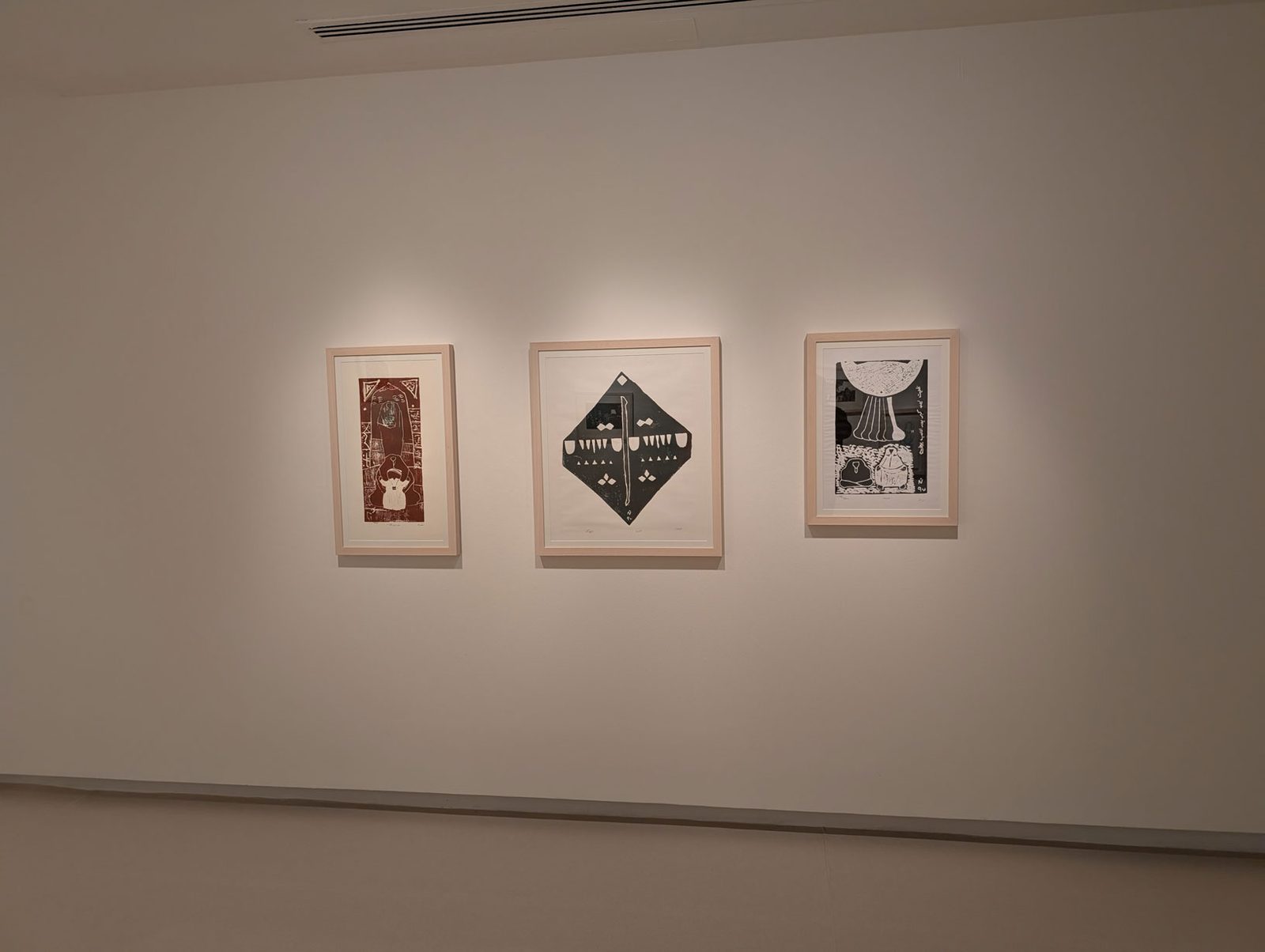
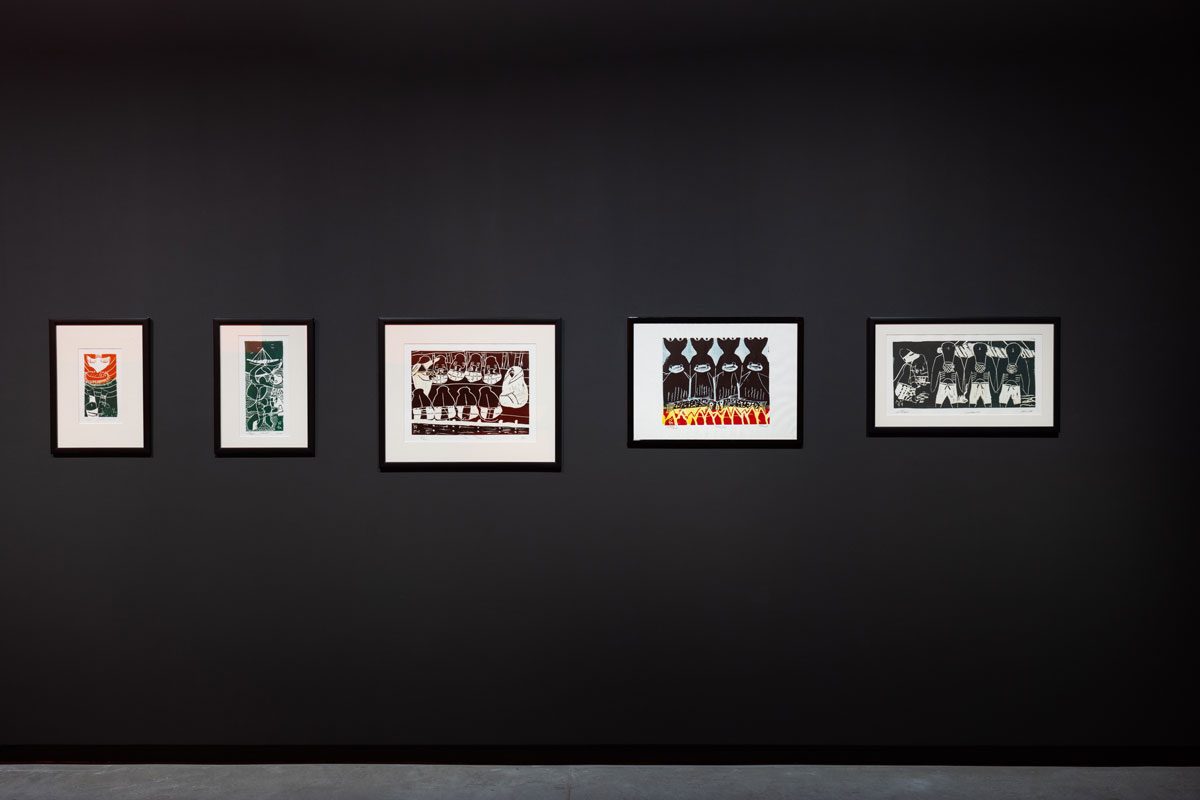
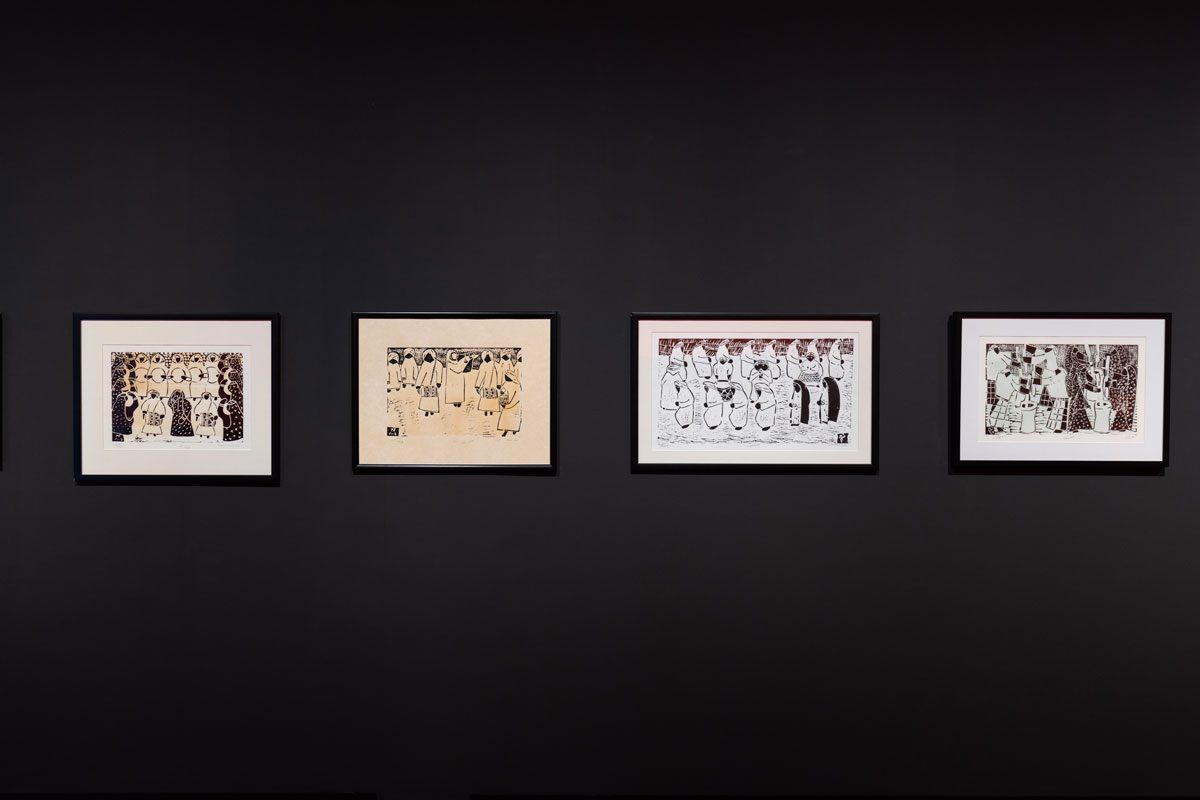
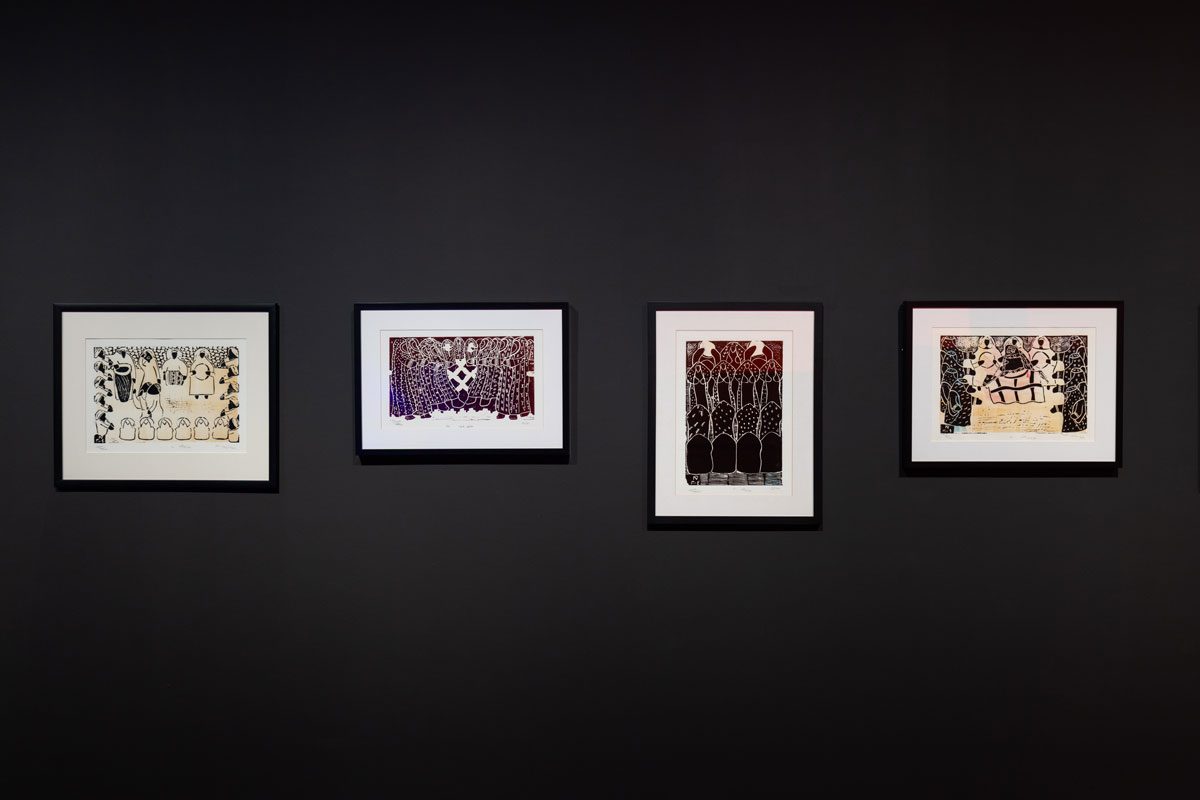
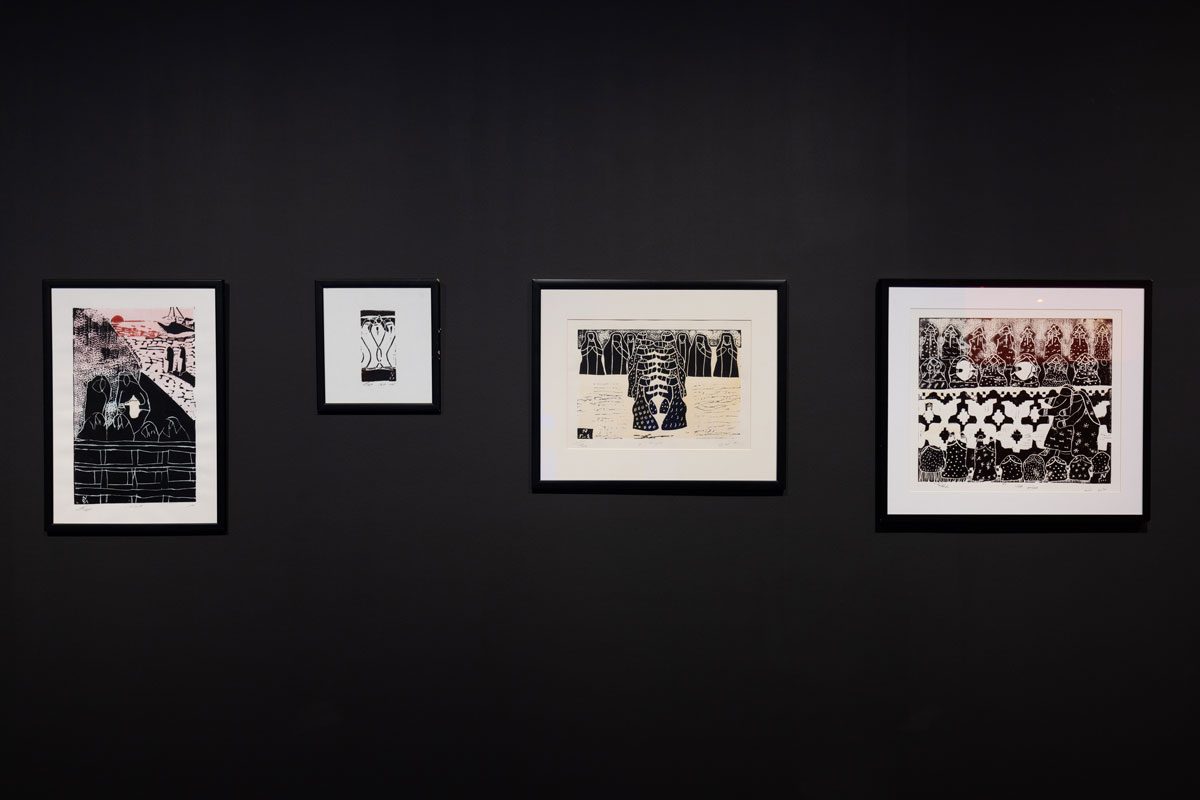
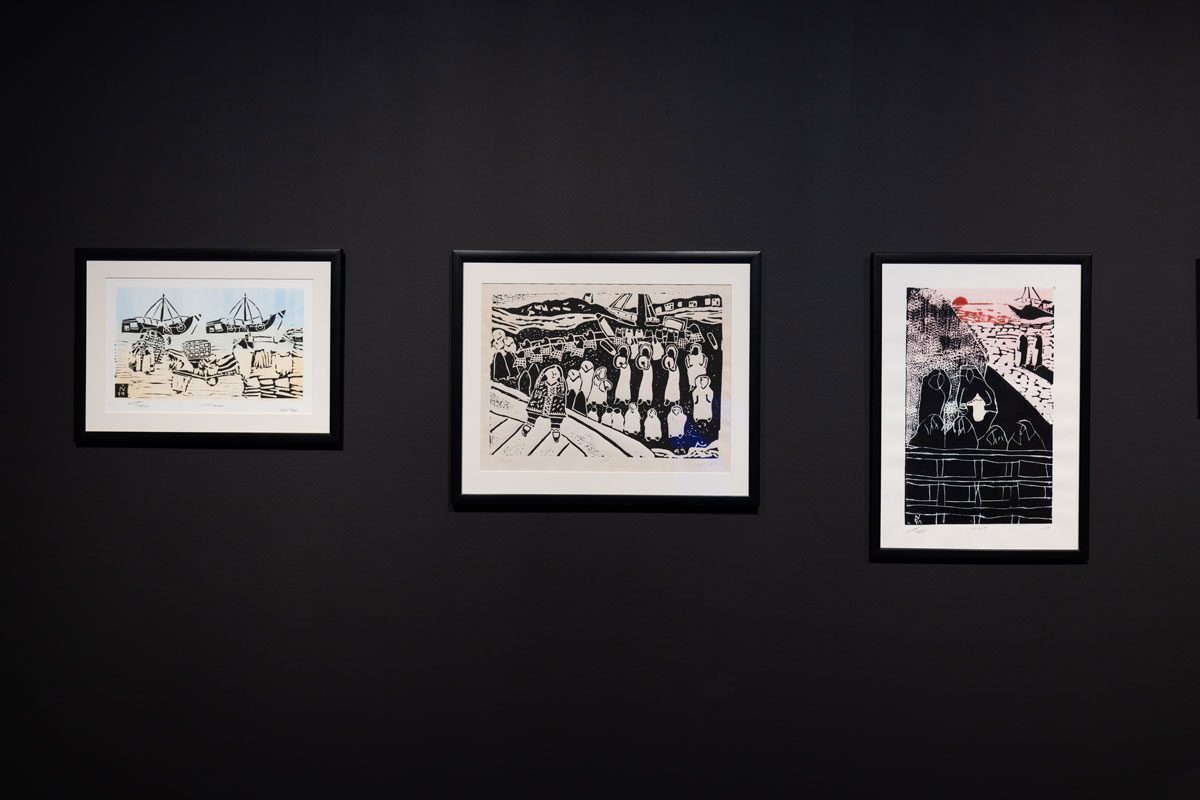
Khalaf's proposition of "storytelling, song and divination as rituals for collective learning and resistance" directly echoes Al-Yousif's own methodology. His illustrations for Ali Abdullah Khalifa's poetry collection Thirst of Palms (1970) and his visual interpretations of mawwals (traditional sung poetry) demonstrate how he understood art as a form of cultural divination—reading the signs of the past to navigate the present and future. The black ink drawings he created in 1968-69, with their "extreme spontaneity and simplicity," functioned as visual mawwals, carrying emotional and cultural frequencies across time.
Natasha Ginwala's centering of "littoral sites in the Indian Ocean and water wells in Sharjah as reservoirs that avow ancestral memory" provides a geographical and conceptual framework for understanding Al-Yousif's diving paintings. His series of seven large-scale oil paintings about pearl diving (1969) can be read as profound meditations on the Gulf as a site of both sustenance and struggle, where generations of men descended into darkness to bring up treasures that would circulate in global networks of trade and desire. The wells and water bodies that Ginwala identifies as "reservoirs" of memory find their parallel in Al-Yousif's canvases, which served as reservoirs for the stories, struggles, and dreams of a maritime culture in transition.
Dialogue with Contemporary Participants
Al-Yousif's presence in SB16 creates fascinating dialogues with contemporary artists exploring similar themes. Mariam M. Alnoaimi's work on "the Gulf region's relationships with water bodies as living entities" and her reperformance of local rituals speaks directly to Al-Yousif's own treatment of the sea as a living presence in Bahraini life. While Alnoaimi approaches these relationships through contemporary concerns about land reclamation and environmental change, Al-Yousif's historical perspective provides a baseline for understanding what has been transformed and what persists.
The exhibition's emphasis on collective processes and communal worlding also reflects Al-Yousif's own practice. His involvement with the "family of art enthusiasts" in Bahrain—including Karim Al-Areedh, Rashid Sawar, and others—prefigures contemporary collaborative practices like The Weaving Project or the Concrete Thread Repertoire. Al-Yousif understood art-making as inherently communal, rooted in shared experiences and collective memory.
Technology, Tradition, and Transformation
Zeynep Öz's curatorial focus on "societal and economic systems... developed in response to accelerated changes in technology and science" provides another lens through which to view Al-Yousif's work. His experimentation with zinc etching after encountering the technique at the 1980 Asilah Festival in Morocco demonstrates his openness to new technologies while maintaining fidelity to traditional subjects and themes. This balance between innovation and tradition—between carrying forward and adapting—exemplifies the kind of creative negotiation that many SB16 artists explore.
Perhaps most poignantly, Al-Yousif's continued artistic production after losing his sight speaks to the Biennial's investigation of how we carry knowledge in embodied forms. Using the same black ink techniques from his earlier work, he created what Abdullah Youssef called "striking new works" that challenged his blindness through "insight with solid will and high determination." This transformation of limitation into possibility resonates with works in SB16 that address resilience, adaptation, and the multiple ways of seeing and knowing.
Carrying Forward: Legacy and Futurity
Al-Yousif's inclusion in Sharjah Biennial 16 is more than a retrospective honor; it's an active engagement with his work as a living force in contemporary artistic discourse. The Biennial's subtitle could be extended: "to carry forward," acknowledging how Al-Yousif's artistic investigations continue to generate meaning in new contexts. His exploration of doors as thresholds and beginnings takes on new significance in an exhibition structured around passages and transitions. His recurring motifs of doves, cats, and roosters join a larger menagerie of symbolic animals in the Biennial, each carrying their own cultural codes and mythological weights.
The Biennial's structure, with works by multiple curators forming "confluences" and "hybrid constellations" in each space, mirrors Al-Yousif's own synthetic approach to art-making. He drew from Islamic aesthetics, folk traditions, modernist techniques, and personal memory to create a unique visual language that was simultaneously deeply local and broadly communicable. This ability to hold multiple influences and speak to diverse audiences makes his work particularly relevant to SB16's polyphonic ambitions.
Conclusion: The Eternal Return
In his 1994 interview, Al-Yousif spoke of the door as "the beginning of things... the key to all knowledge." His presence in Sharjah Biennial 16 opens a door between past and present, between the pioneering generation of Gulf artists and contemporary practitioners grappling with accelerated change and persistent traditions. The Biennial asks, "What do we carry when we survive?" Al-Yousif's art provides one answer: we carry stories, we carry beauty, we carry the responsibility to document and transmit, we carry the courage to continue creating even when the light fails.
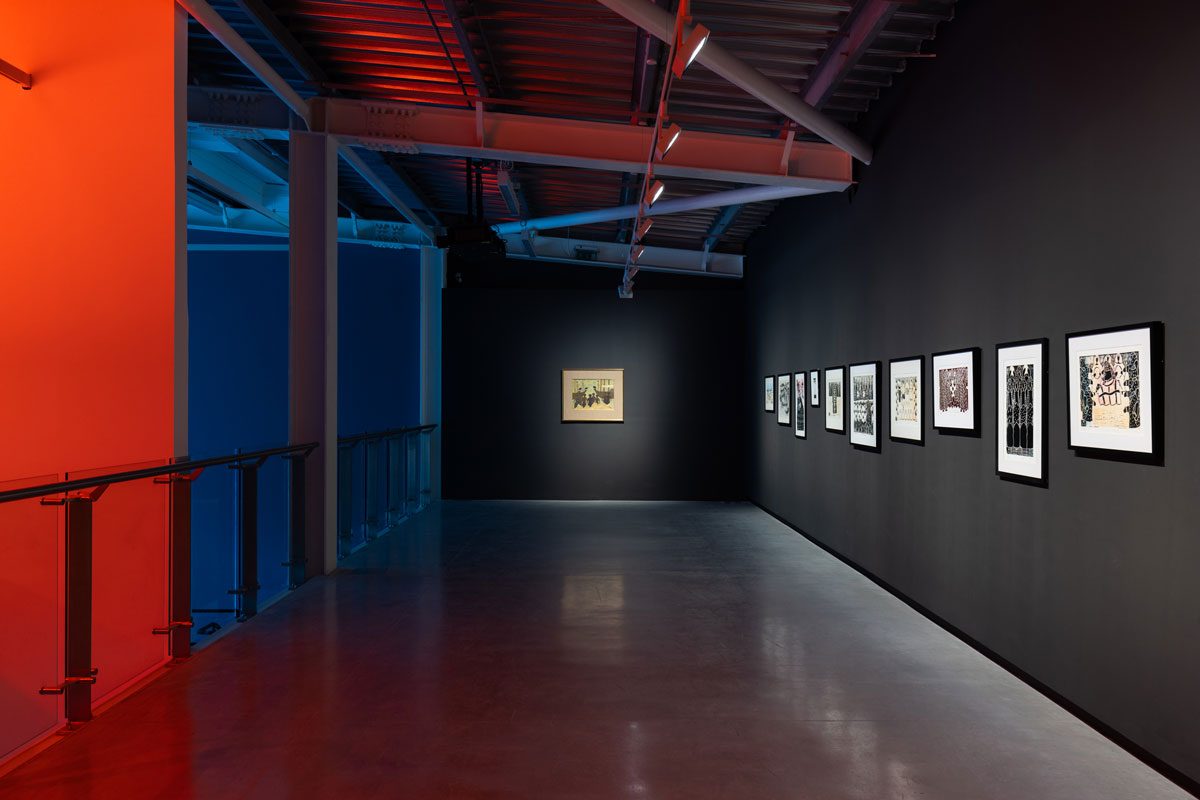
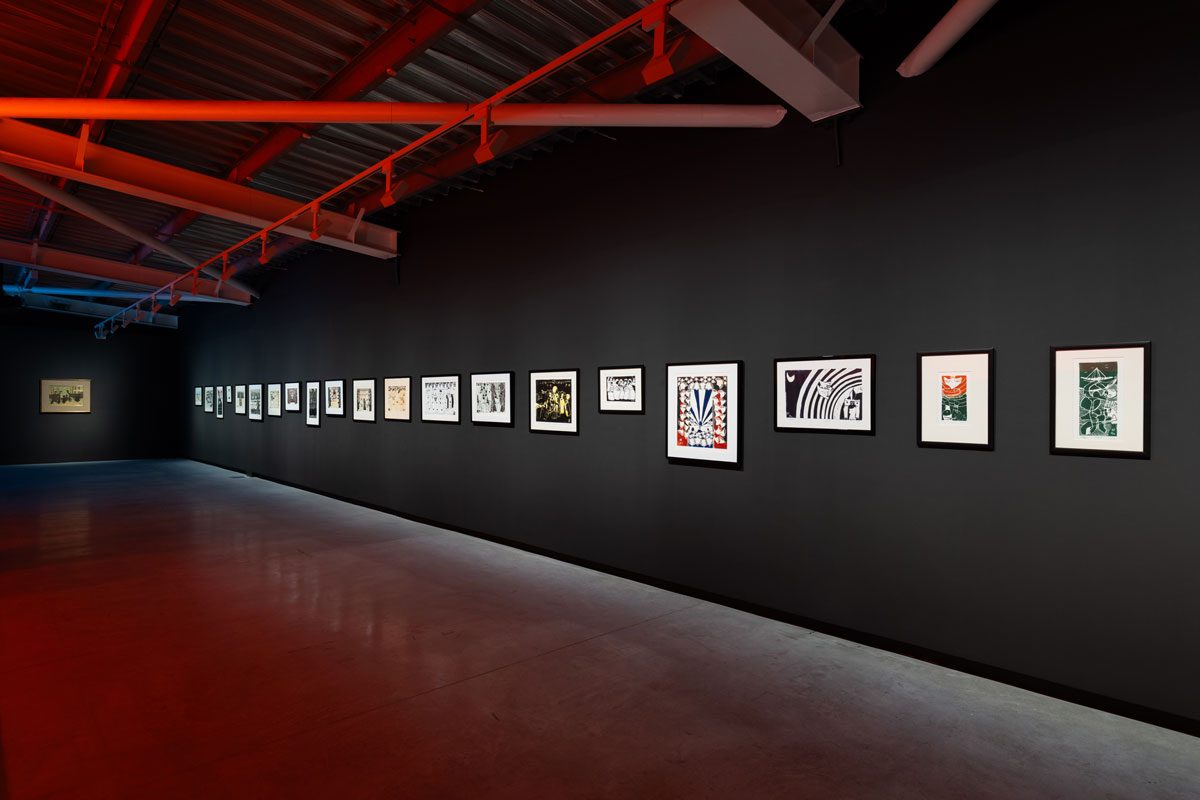
As visitors encounter Al-Yousif's work among the 650 pieces spread across 17 venues in Sharjah, they will experience not just historical artifacts but active participants in ongoing conversations about identity, heritage, and transformation. His paintings of divers ascending from the depths might speak to Yhonnie Scarce's glass yams floating like radioactive clouds; his doors might open onto Fernando Palma Rodríguez's reclaimed ancestral knowledge; his women might join the global sisterhood of Womanifesto's quilted shelters.
Nasser Al-Yousif carried Bahrain's stories to the world and carried the world's artistic innovations back to Bahrain. Now, Sharjah Biennial 16 carries his vision forward, ensuring that his voice remains part of the multivocal chorus addressing our contemporary moment. In this act of cultural carrying, the Biennial fulfills its role as "collective wayfinding," with Al-Yousif serving as both compass and destination—a reminder of where we've been and a guide to where we might go. His art reminds us that to carry is not merely to preserve but to transform, not just to remember but to reimagine, not only to honor the past but to gift it, transformed, to the future.

النص الأصلي
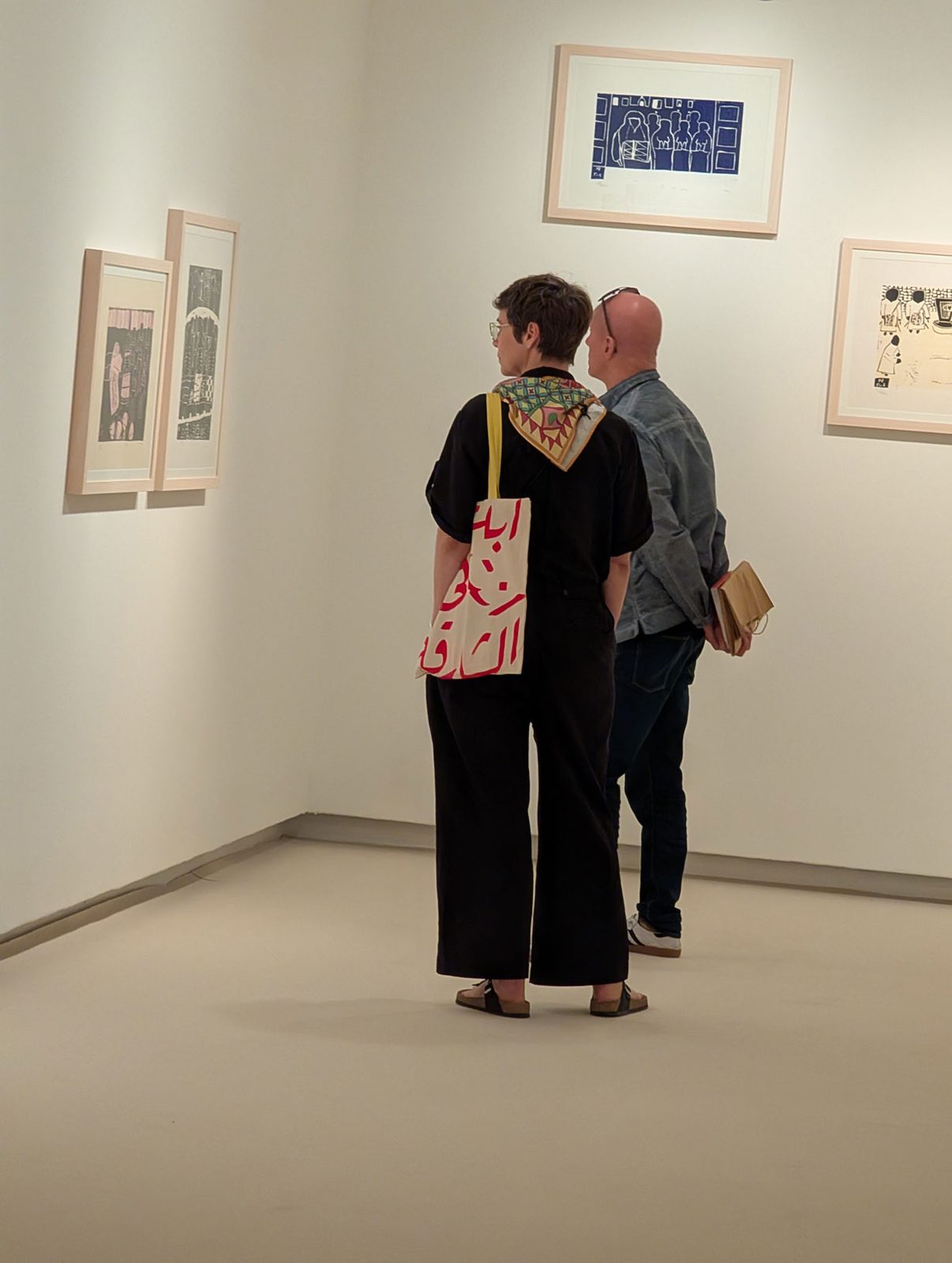
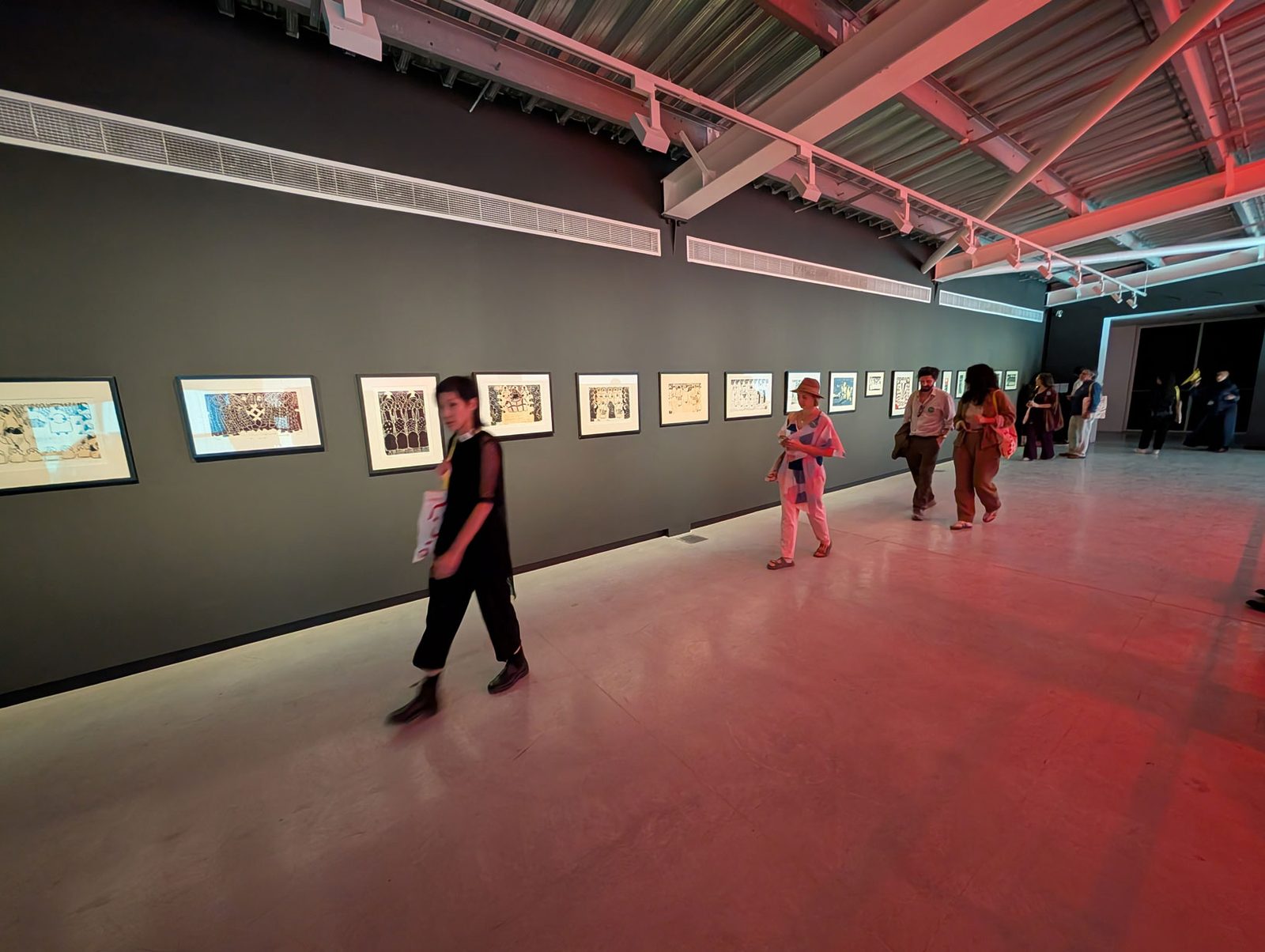
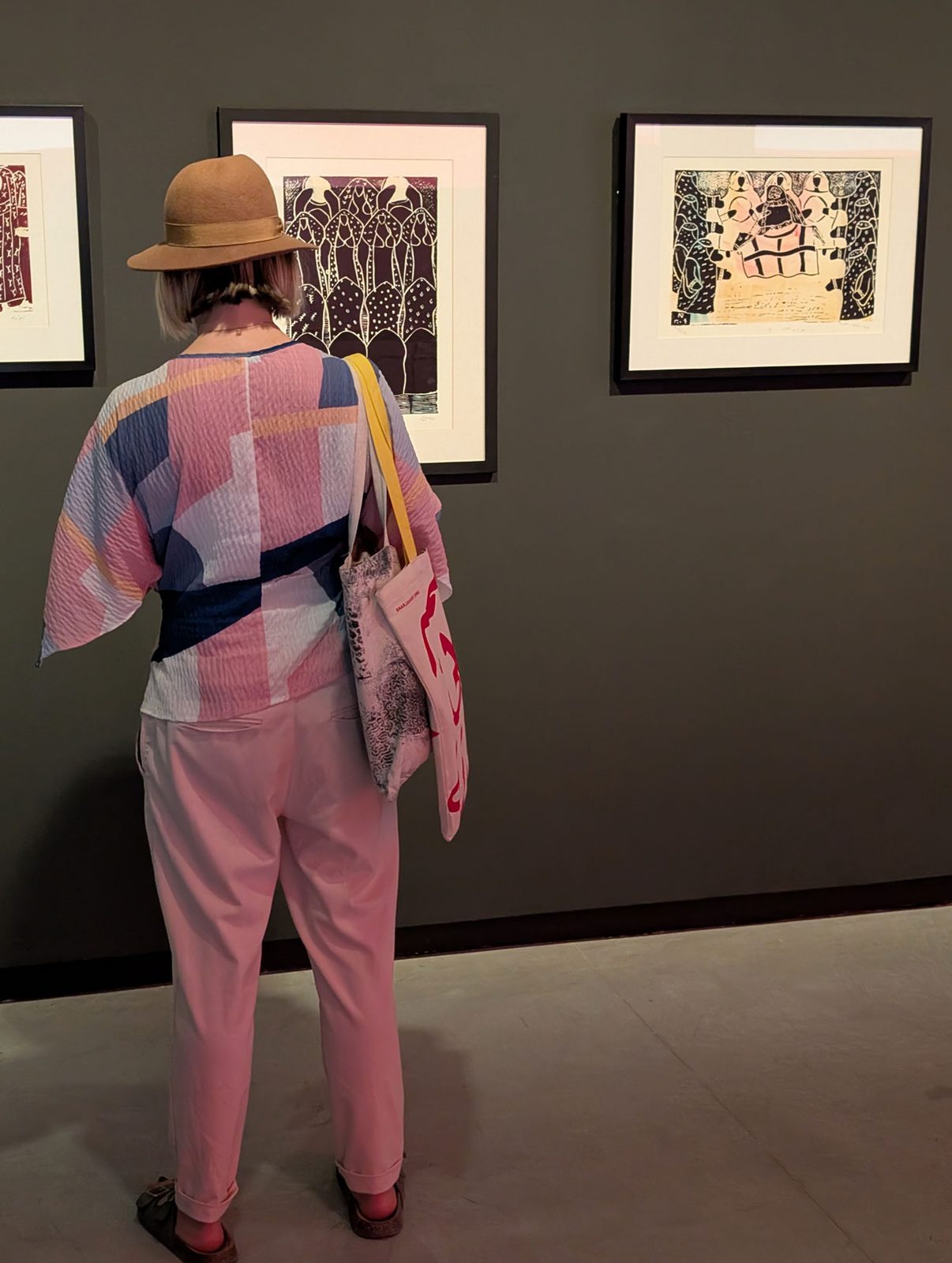
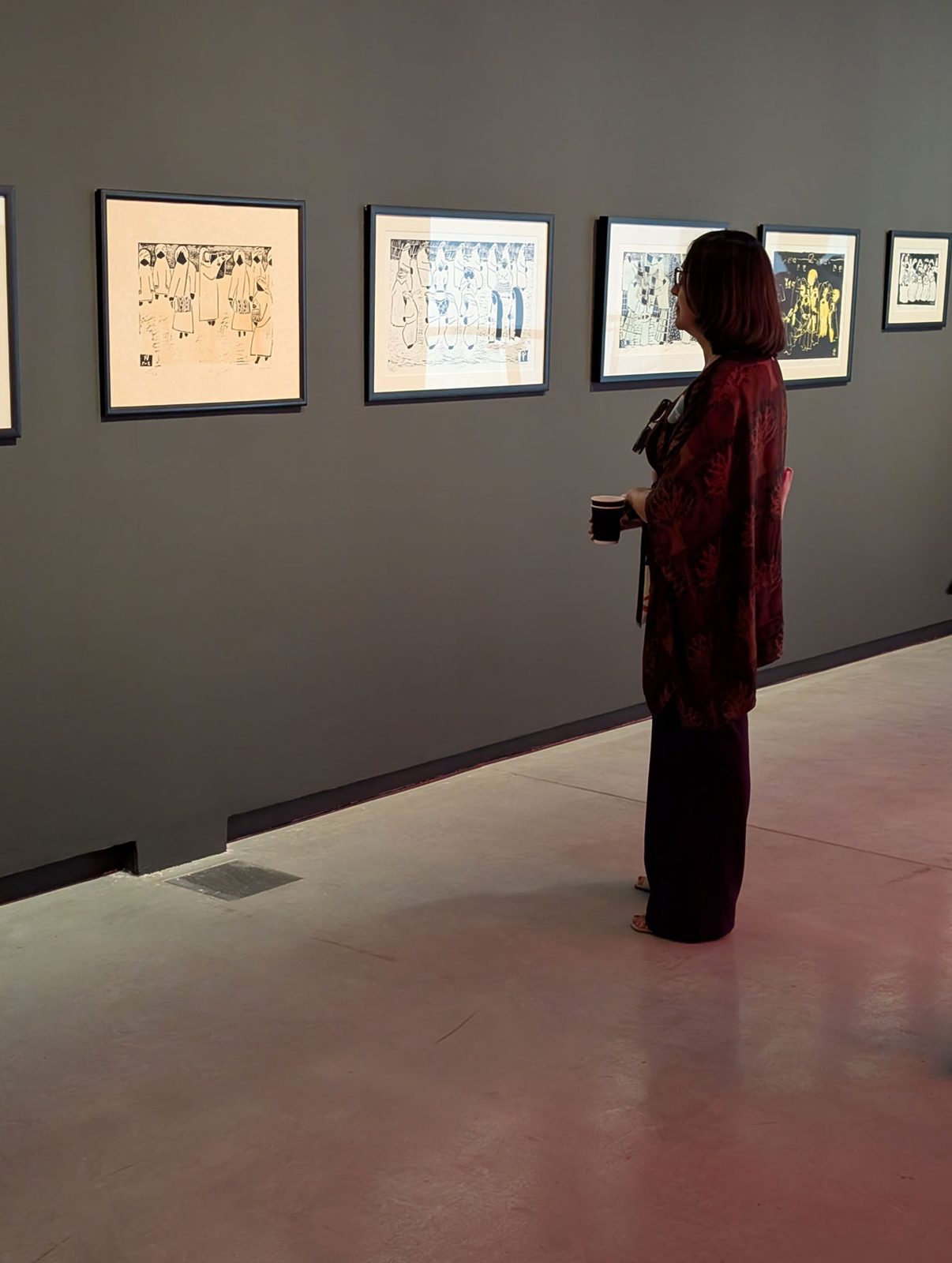
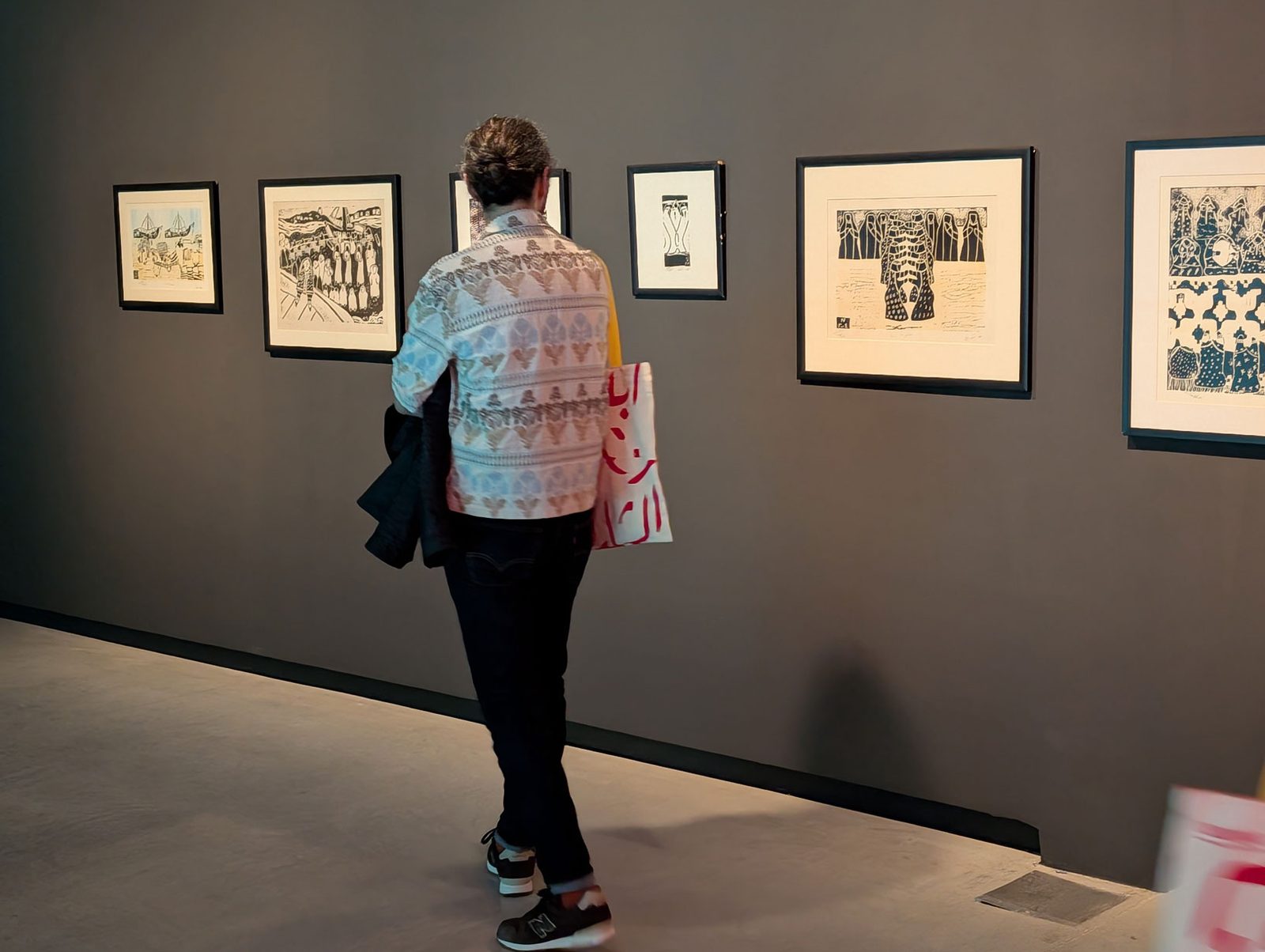
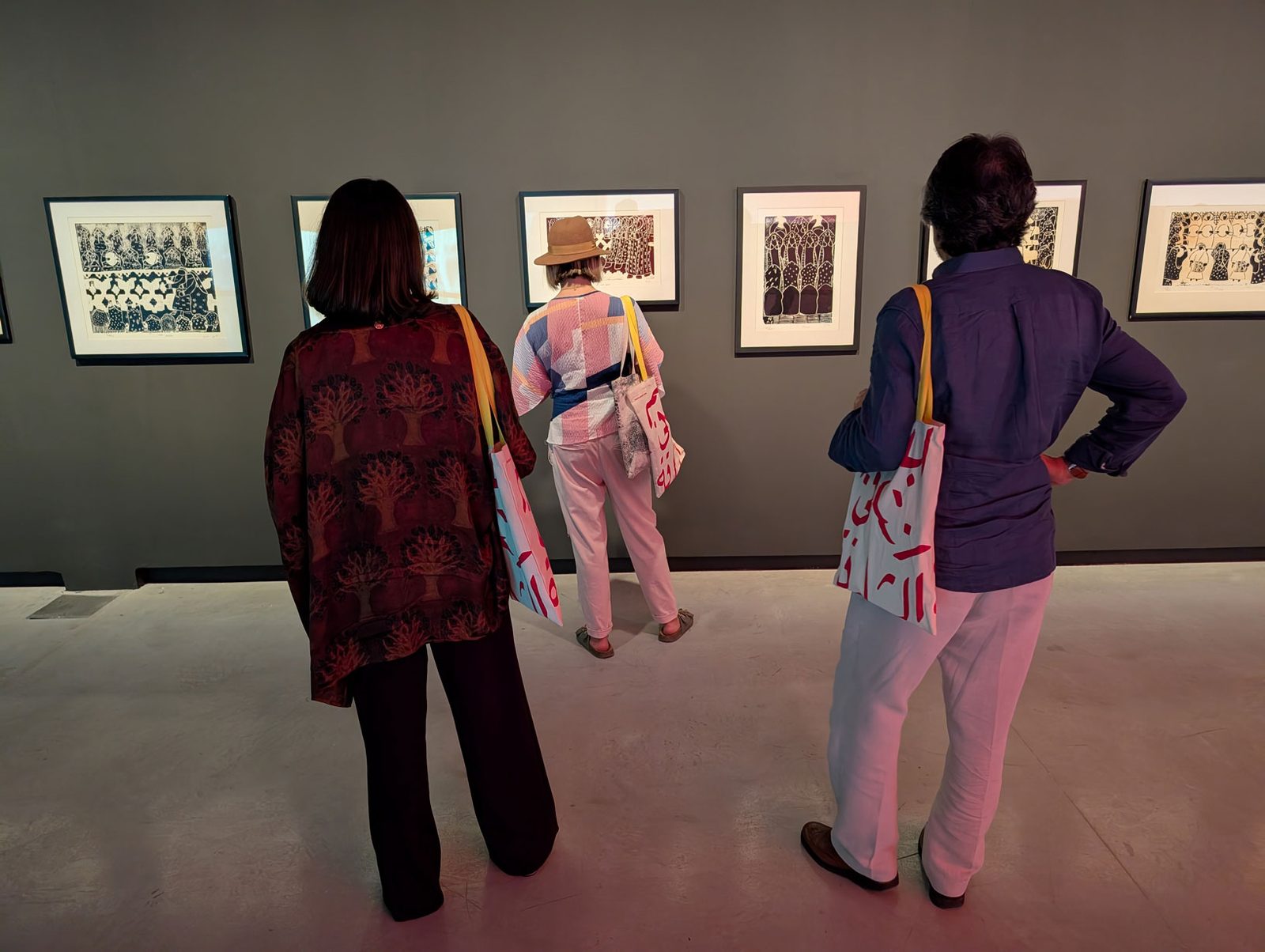
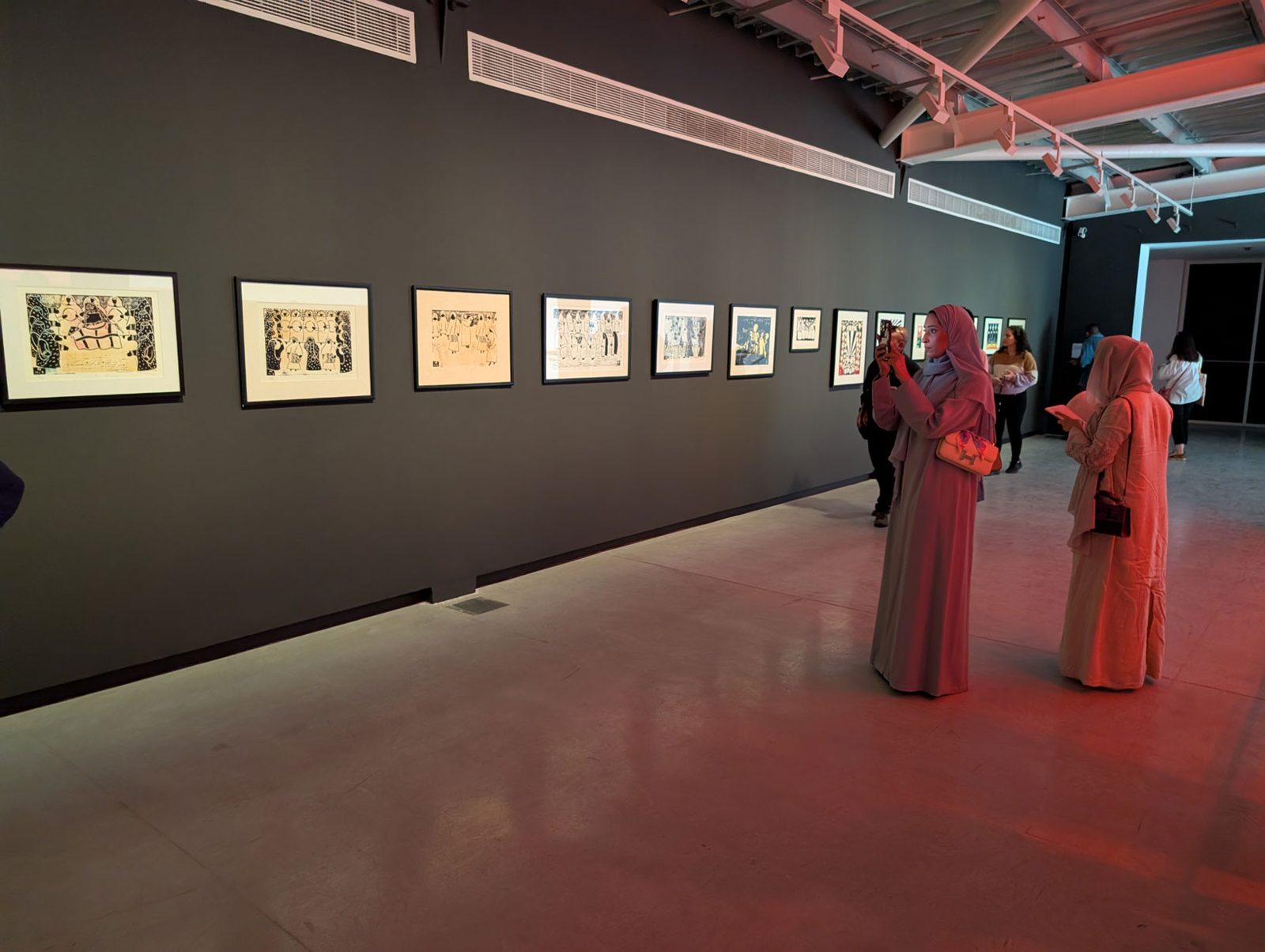
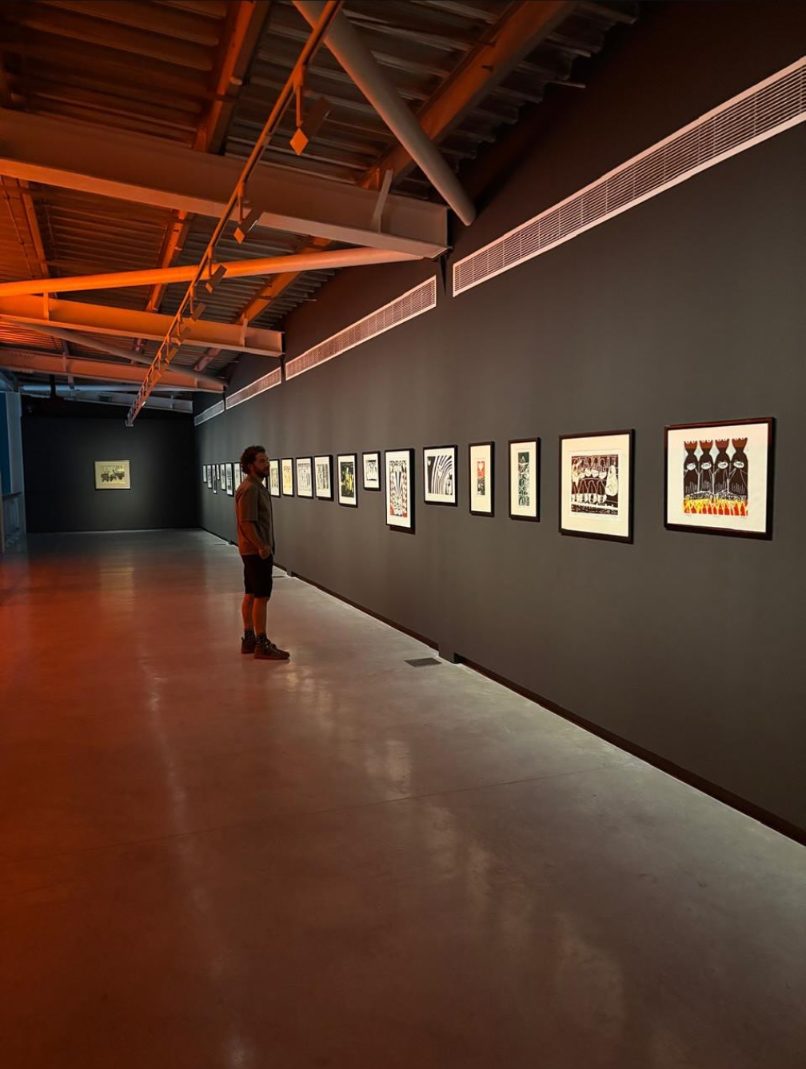
At The Sharjah Art Museum
Translation
مساحة العرض في متحف الشارقة للفنون